Main results

ENPC, 2nd year - SEGF
OFCE/Sciences Po, CEPR
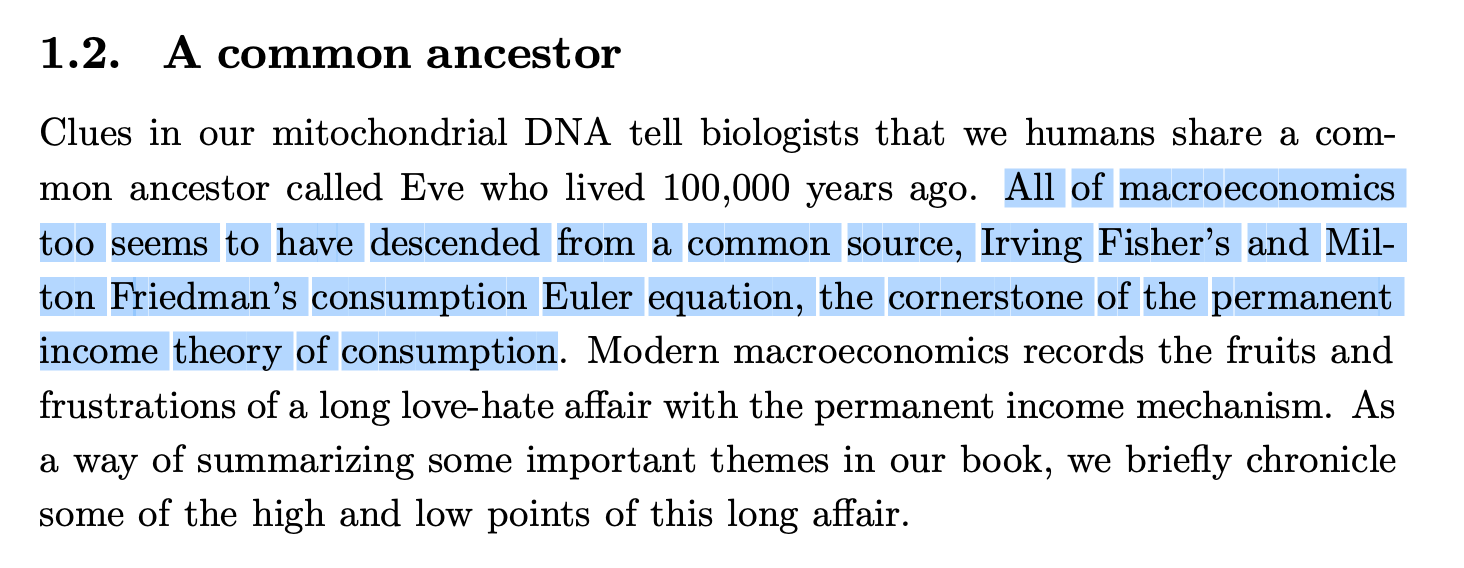
What is the evidence on Permanent Income Theory / MPCs ?
What is the evidence for “Ricardian” equivalence” ?
The (limited) role of interest rates for consumption.
Accelerator and neoclassical views of investment. Interest rates and hurdle rates.
Elasticity pessimism; reconciling prices and quantities ? The difficulty of “production-based asset pricing”.


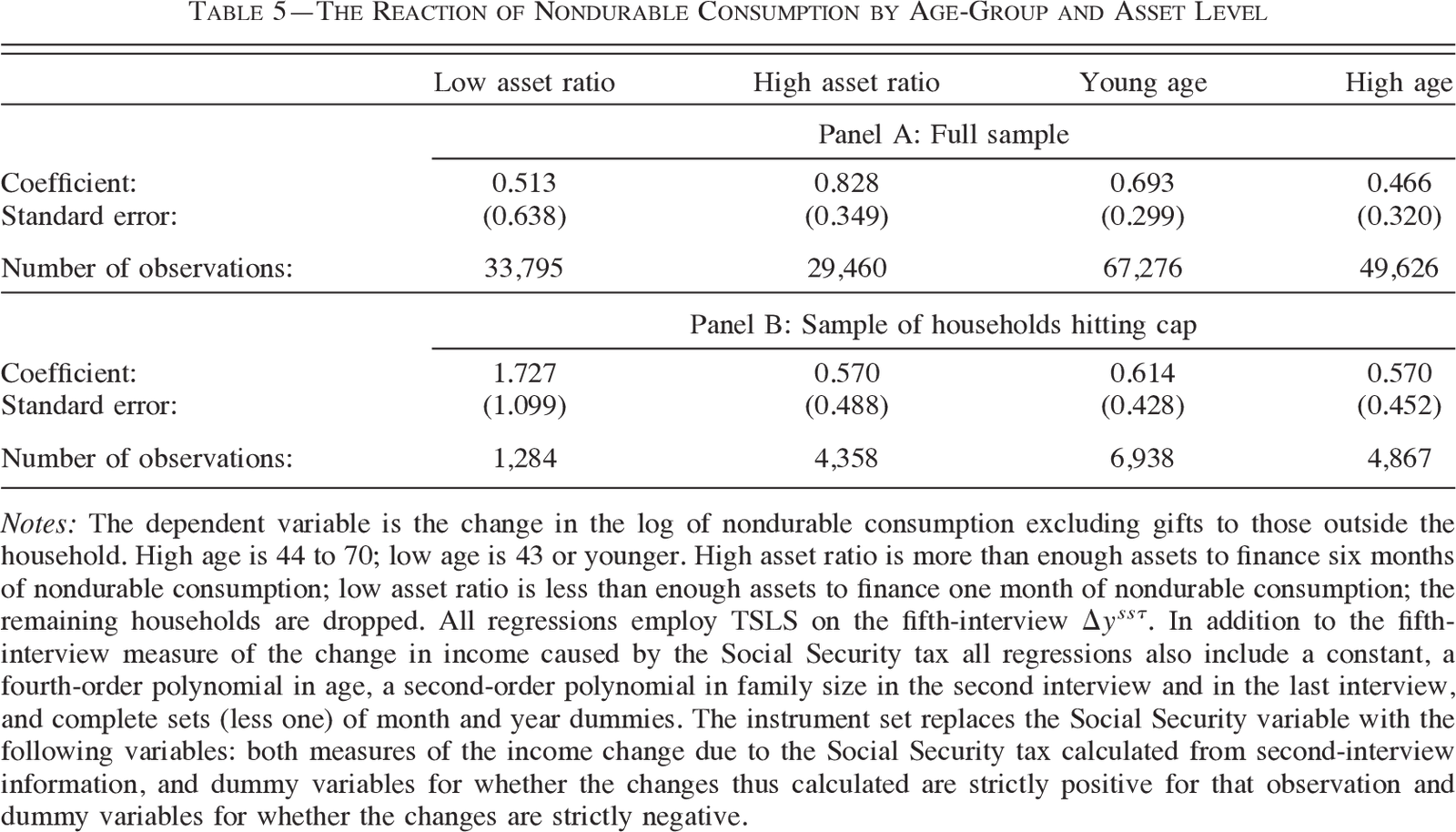
Is the Euler equation / permanent income a thing ? Liquidity ? “Wealthy hand to mouth” ?
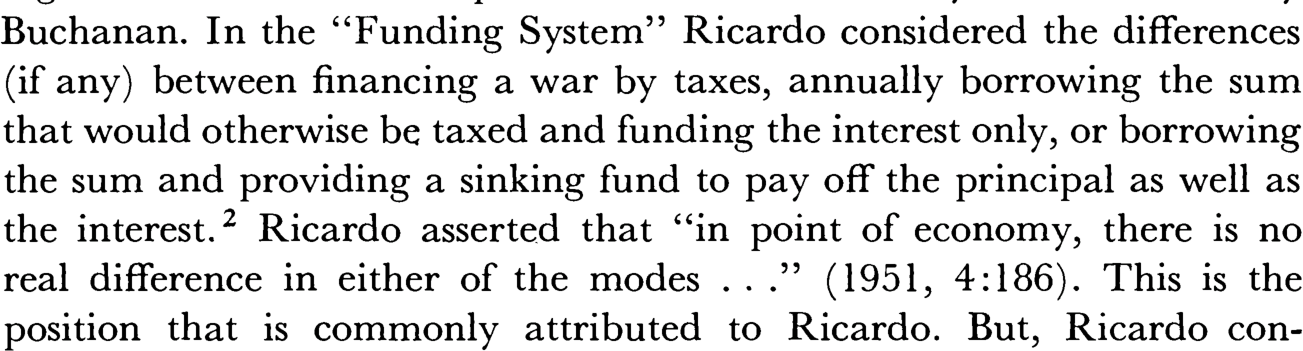
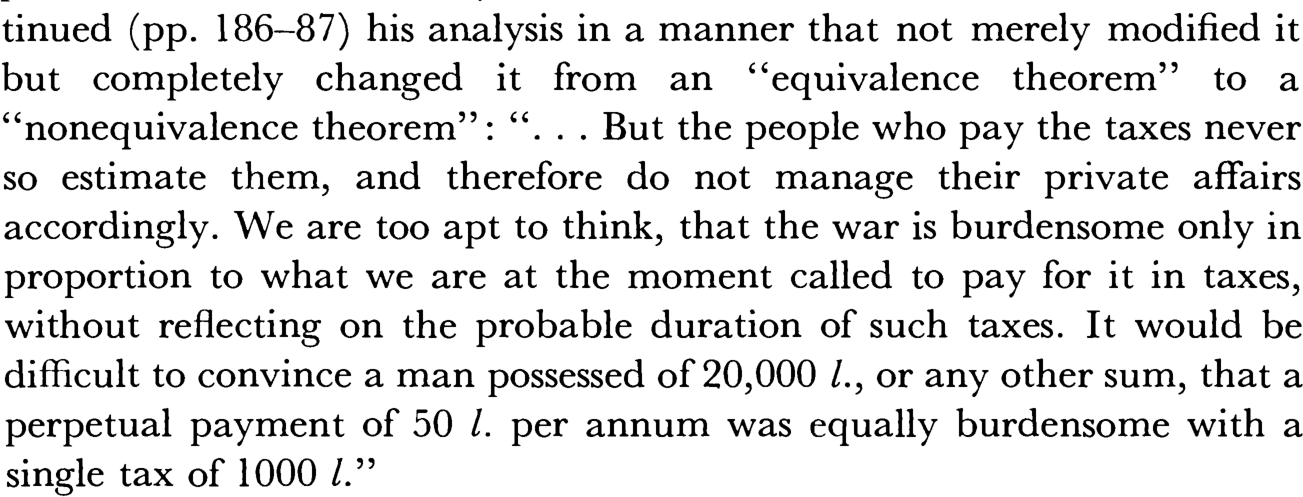
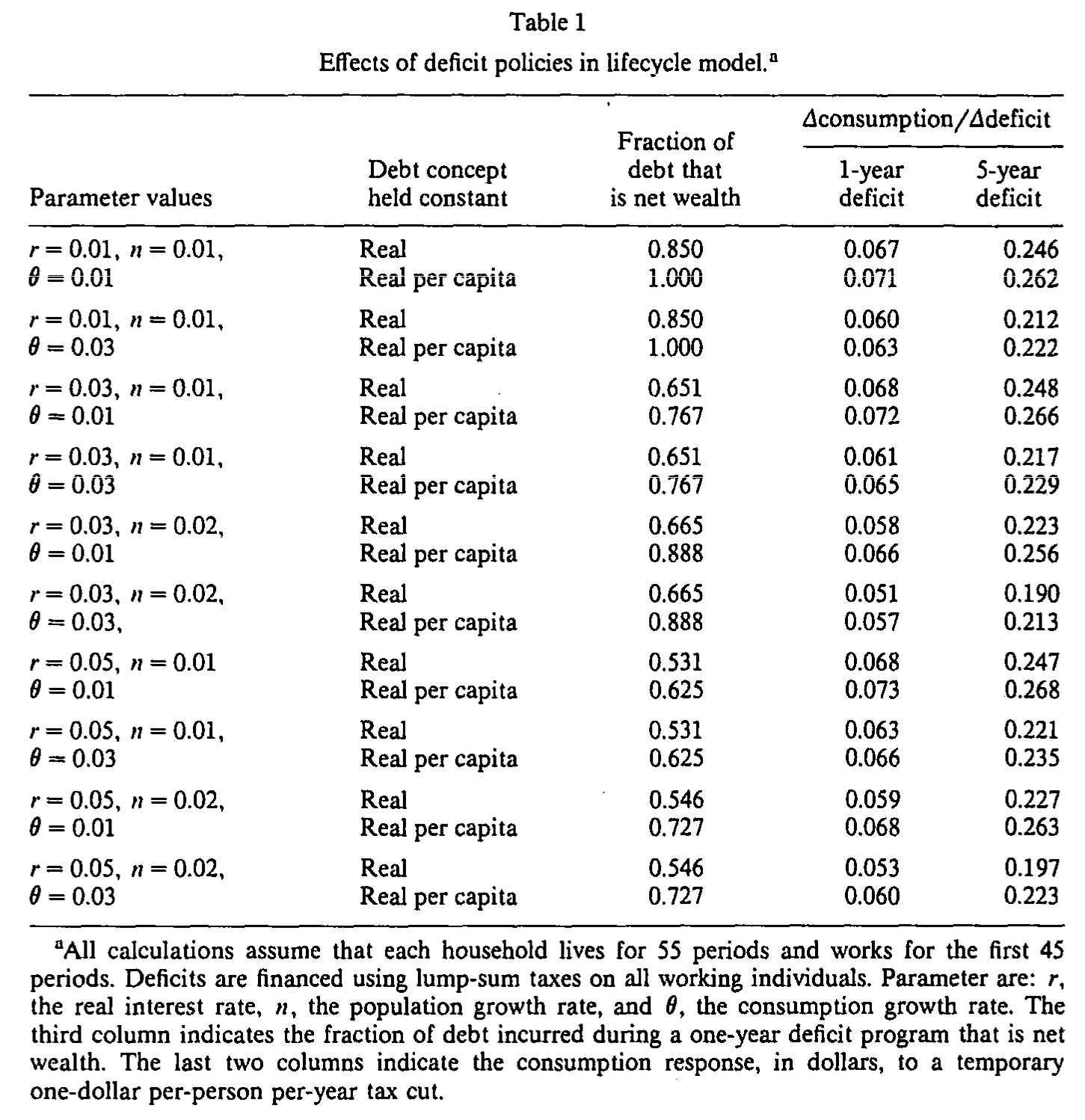
What about “Ricardian equivalence” ? What’s the empirical evidence / justification ?
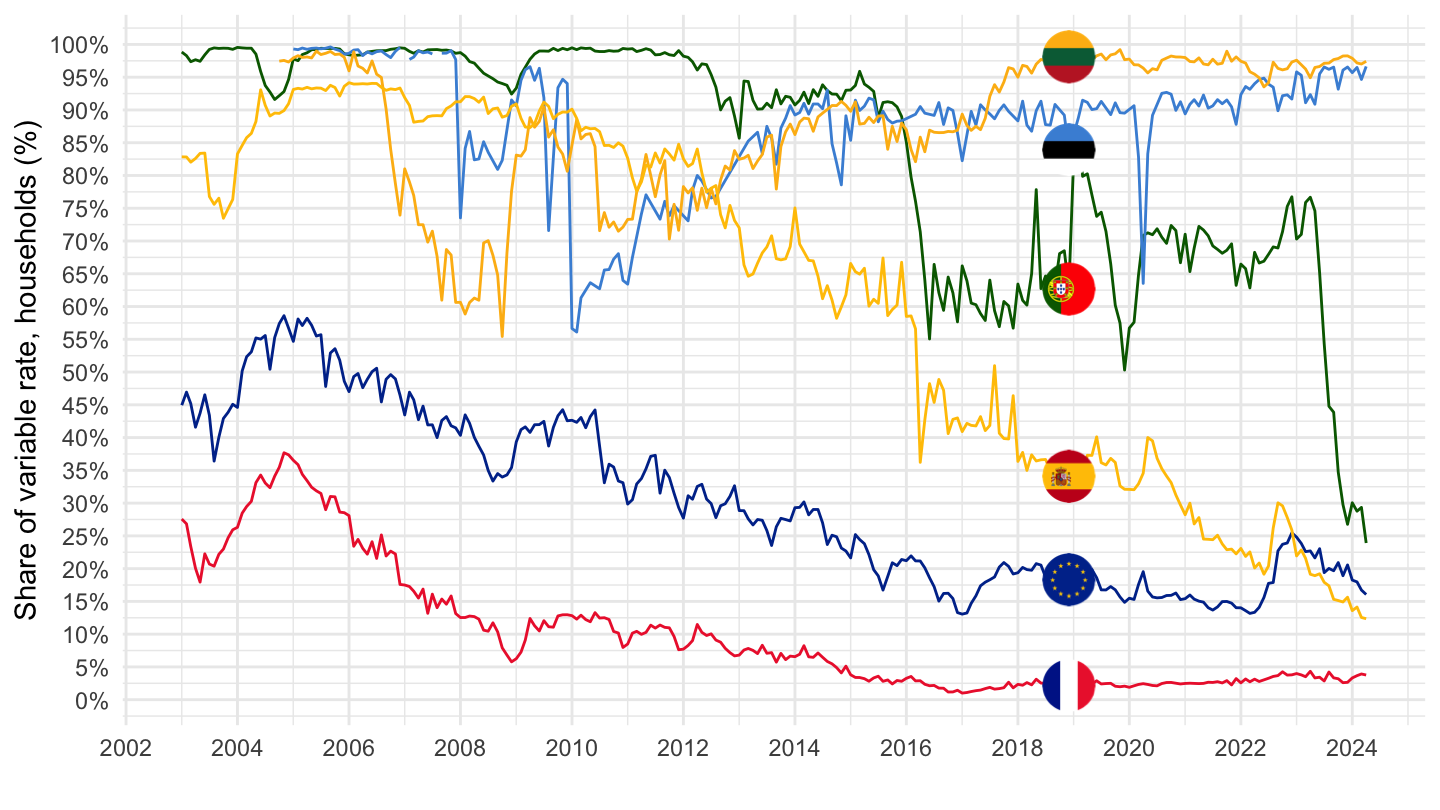
Revisiting “housing wealth effects”.
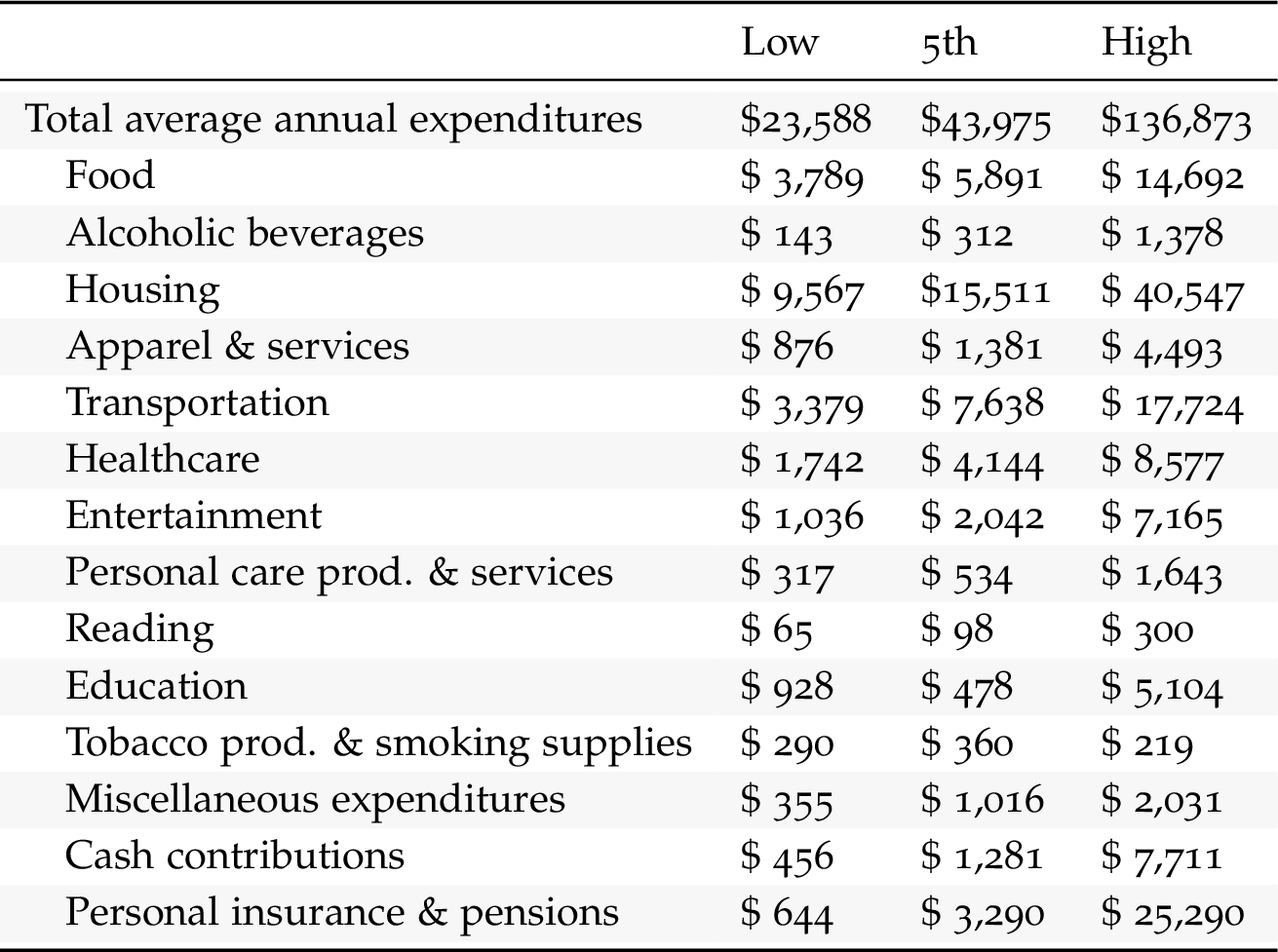
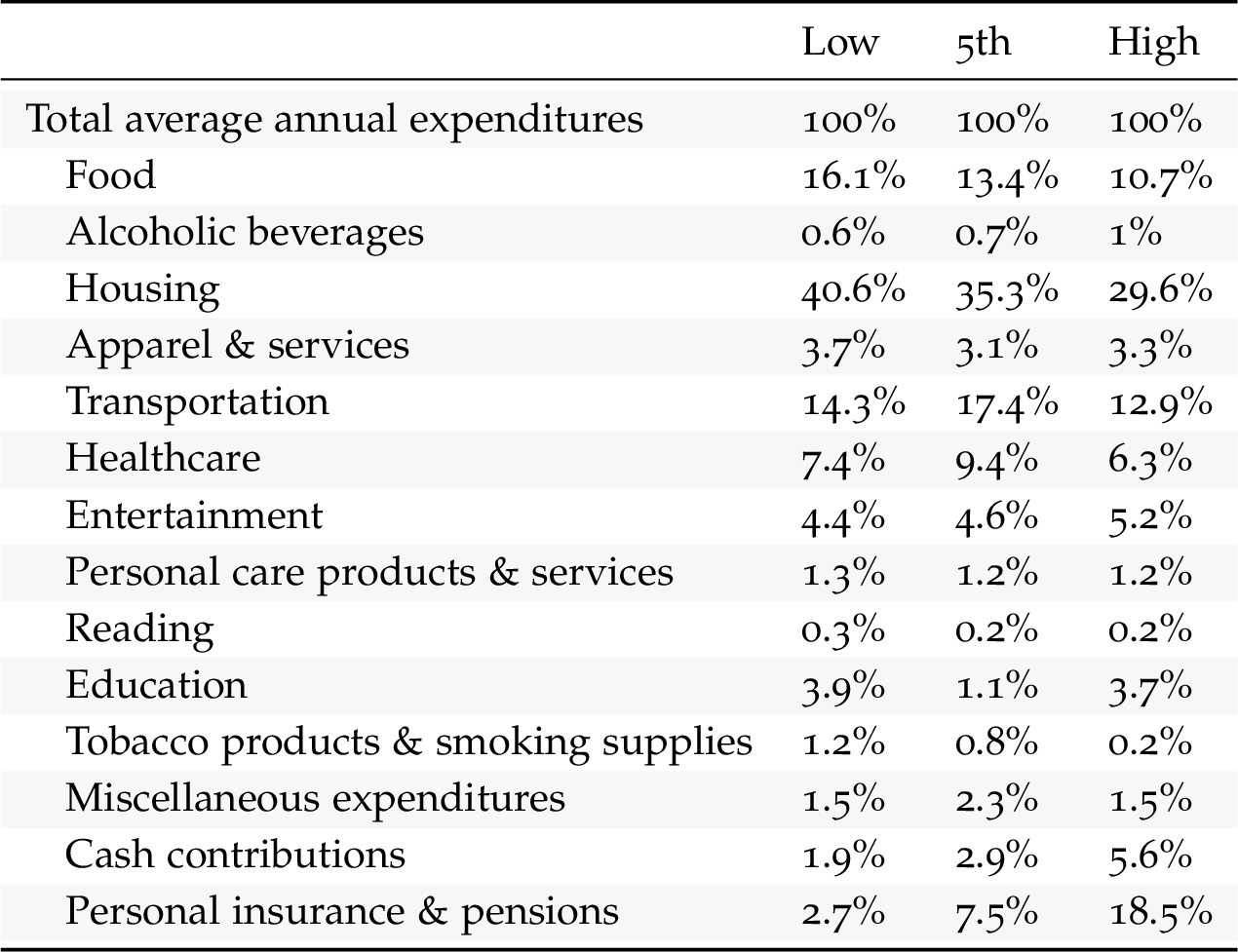
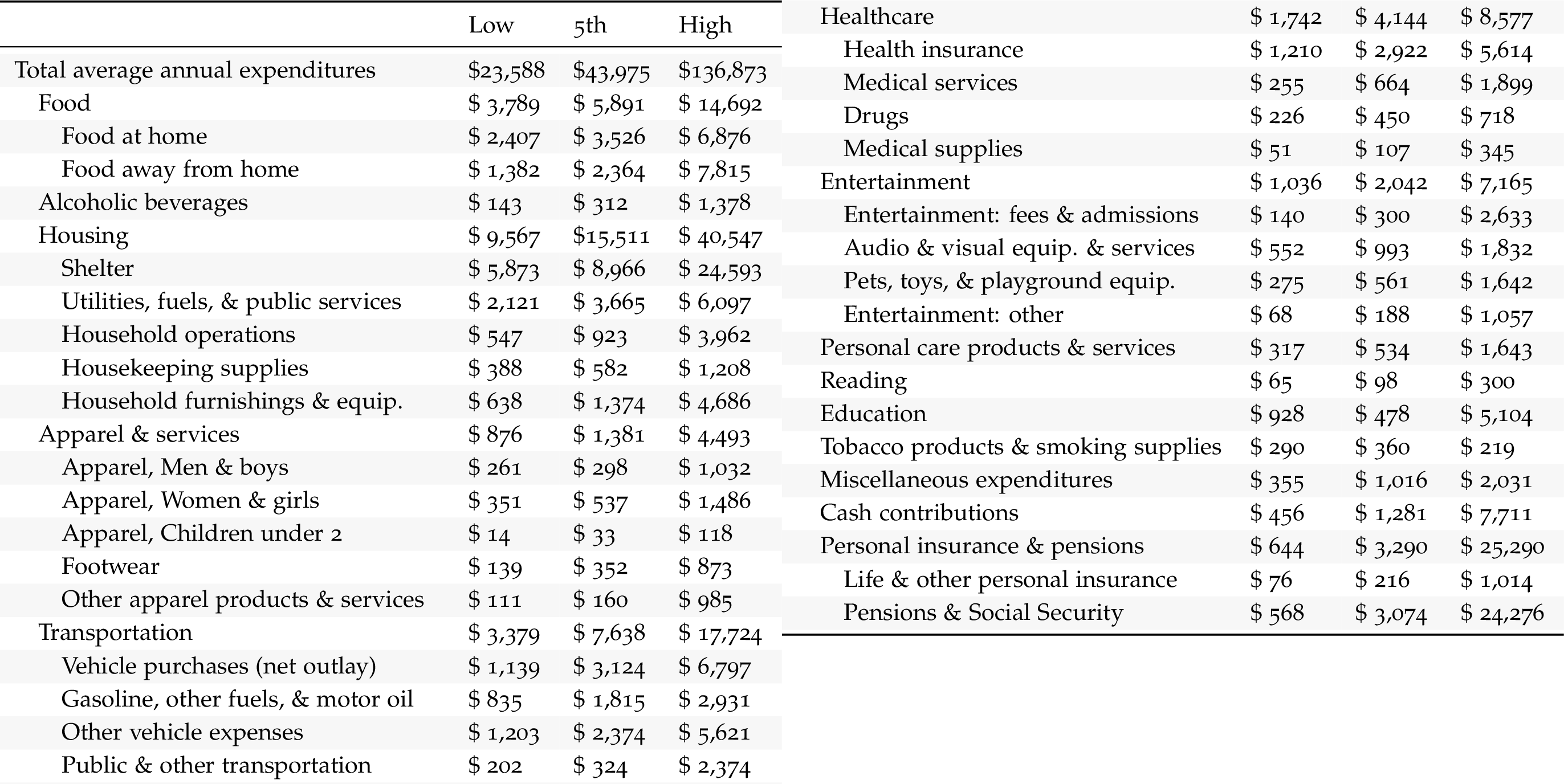
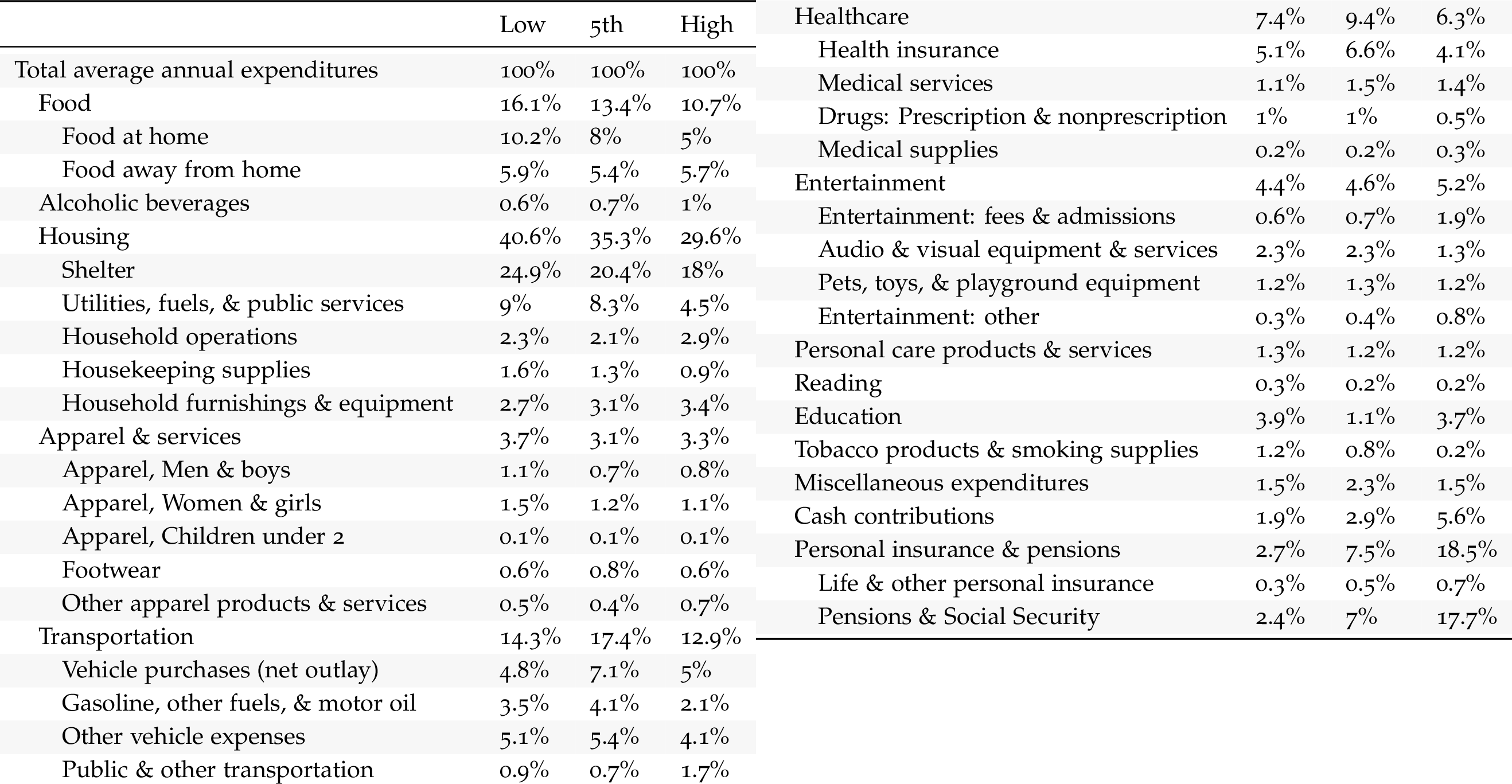
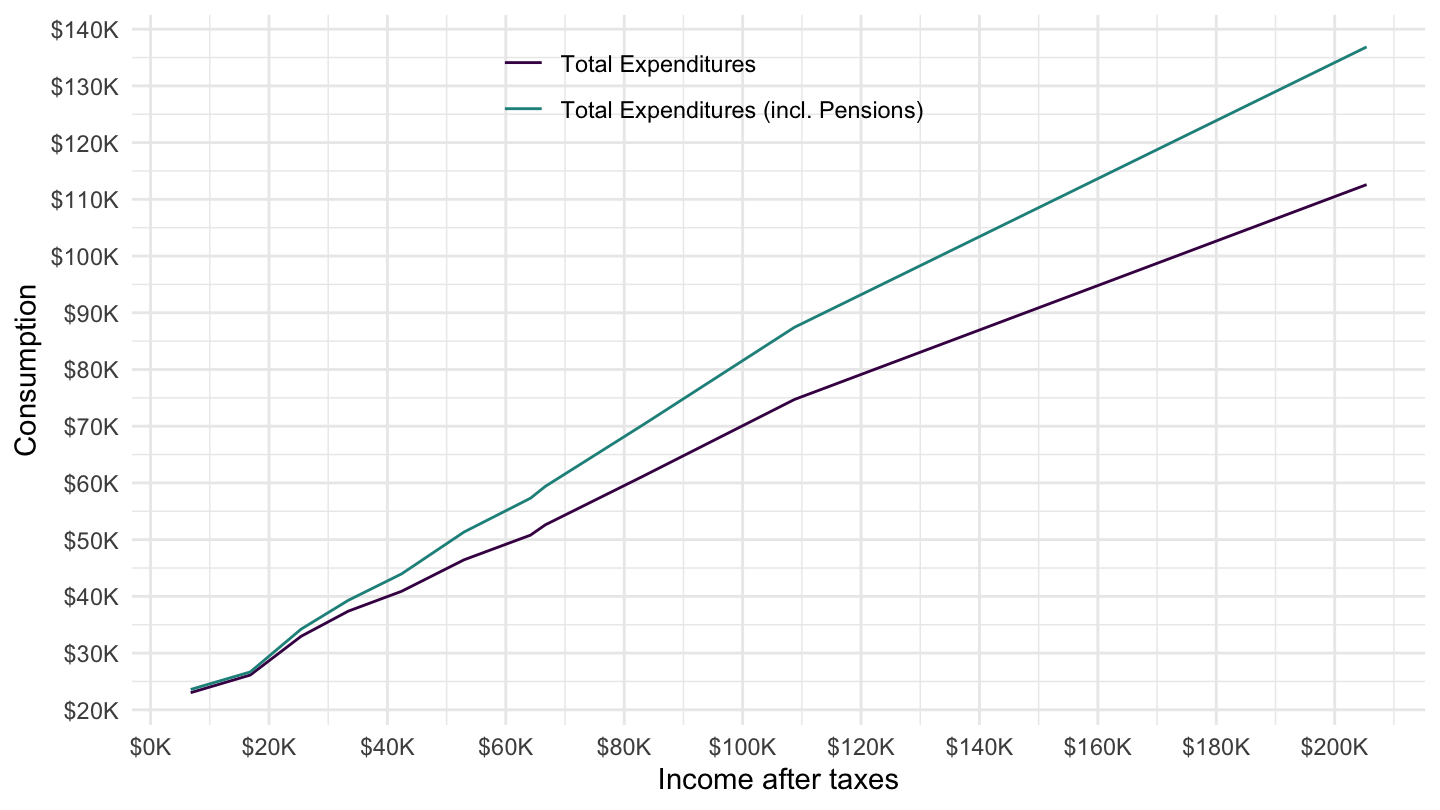
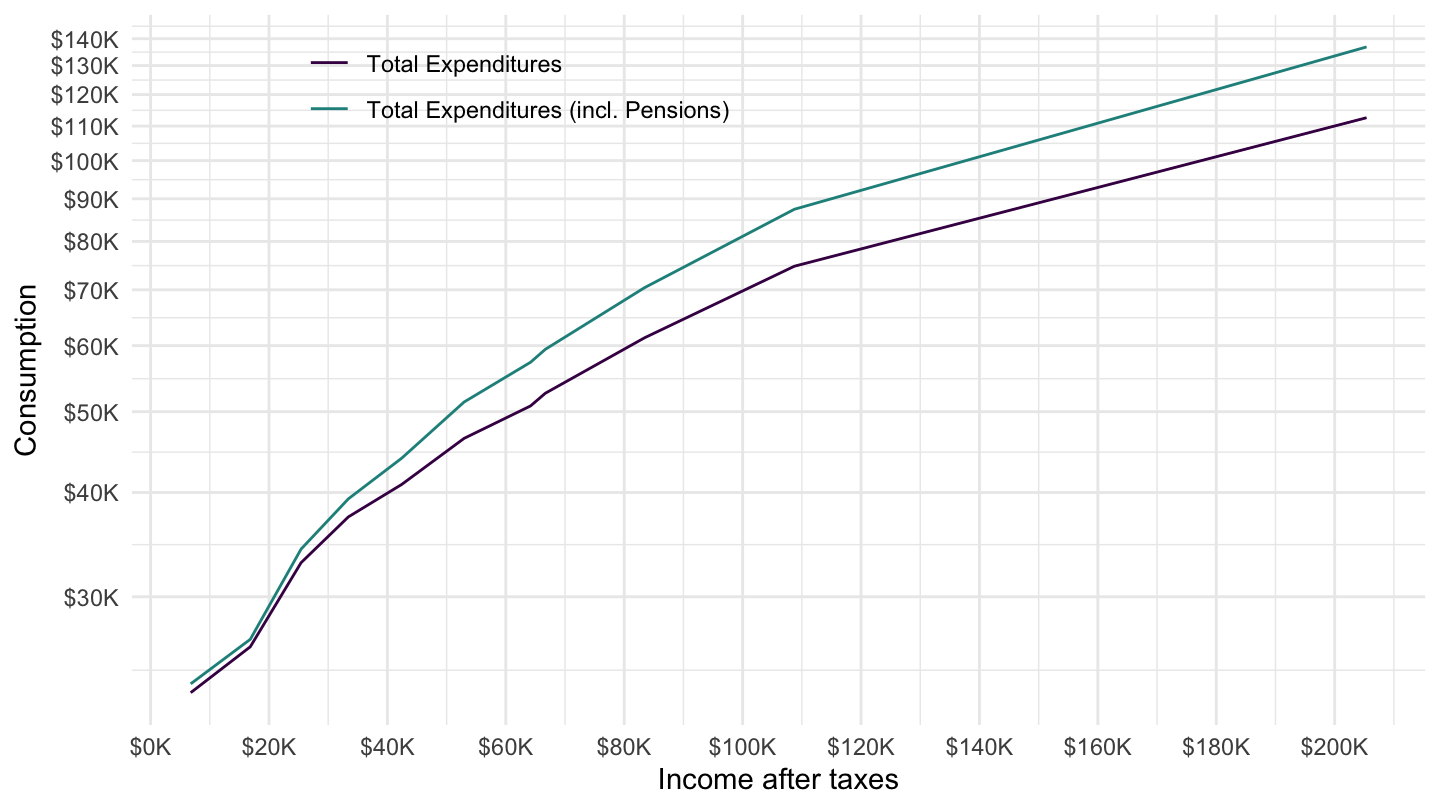
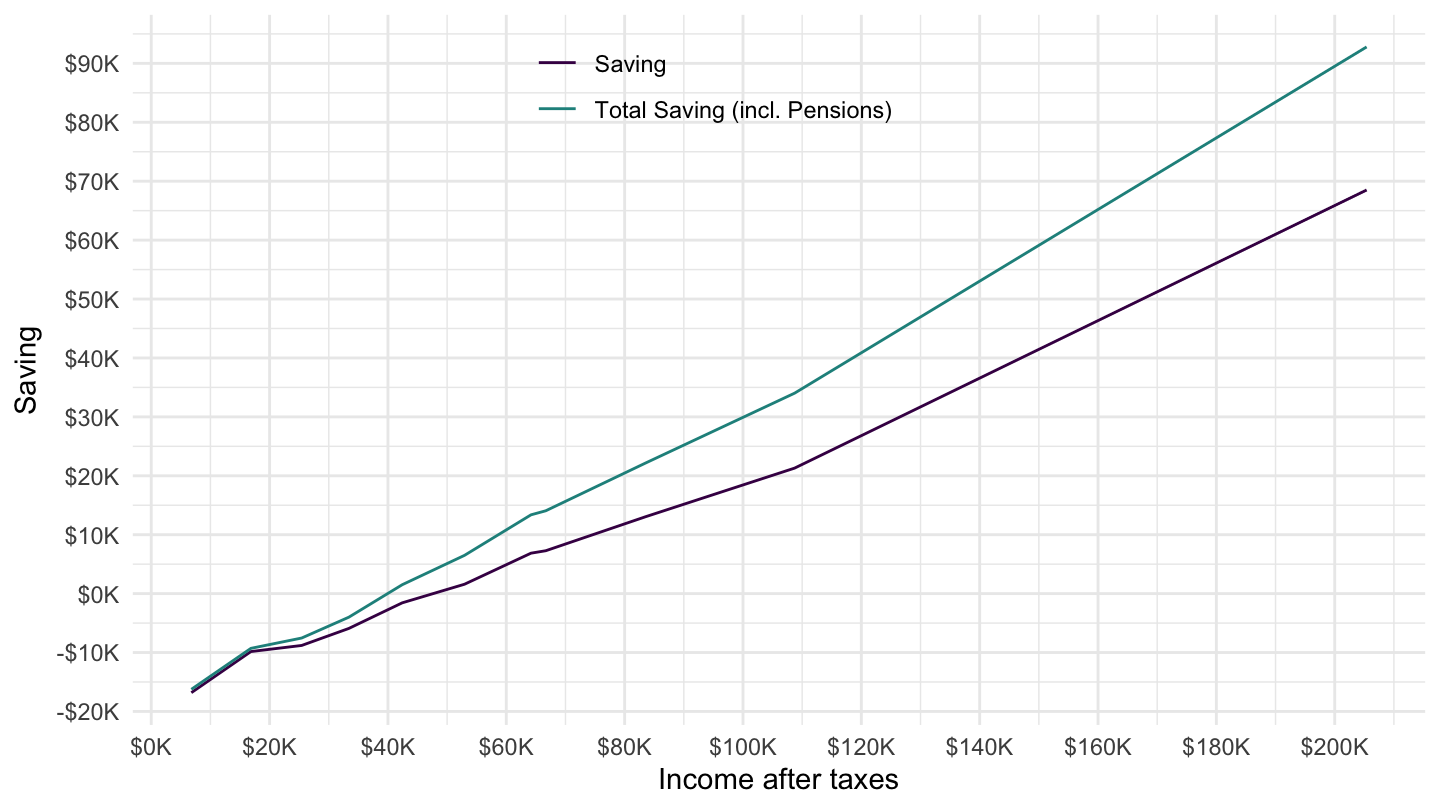
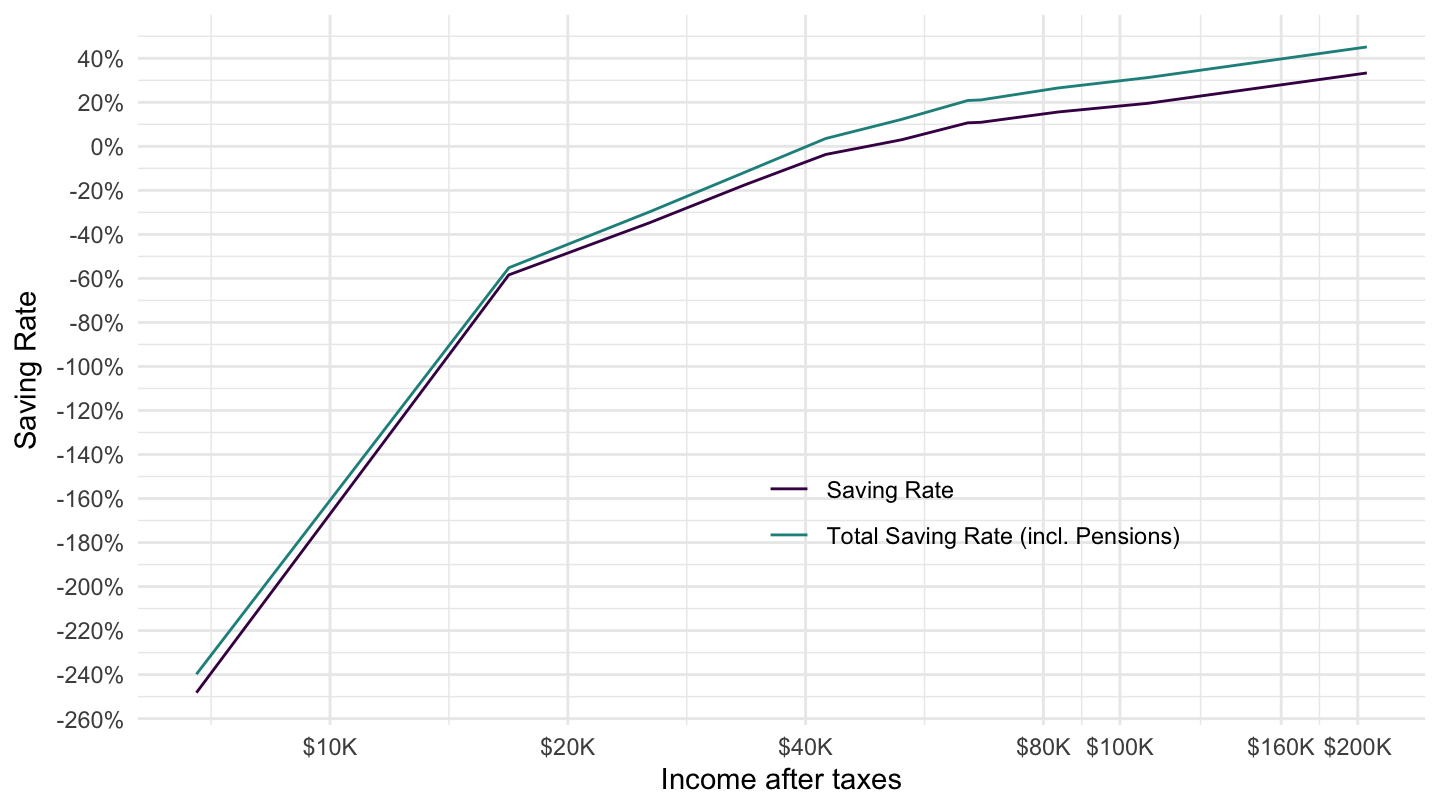
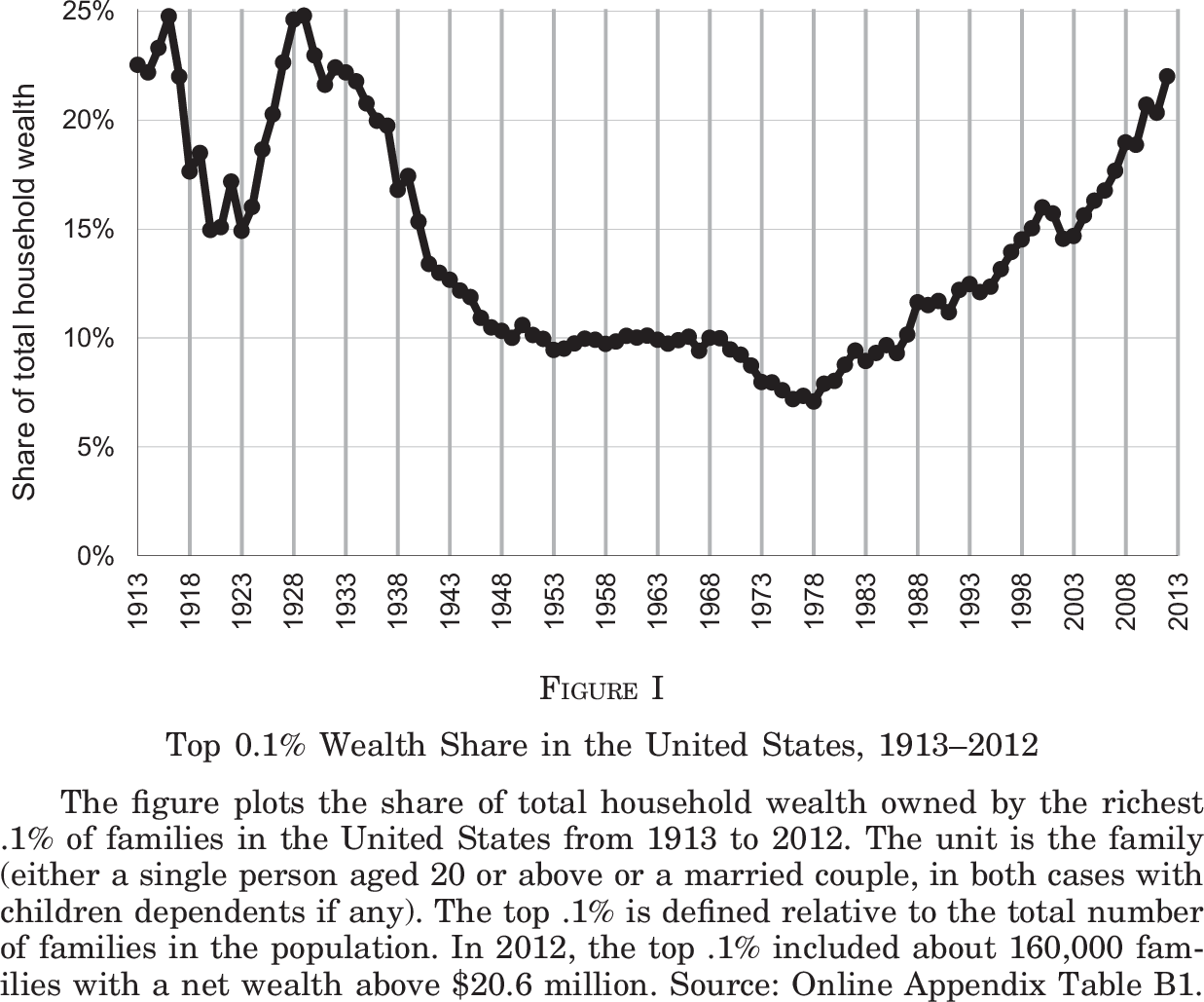
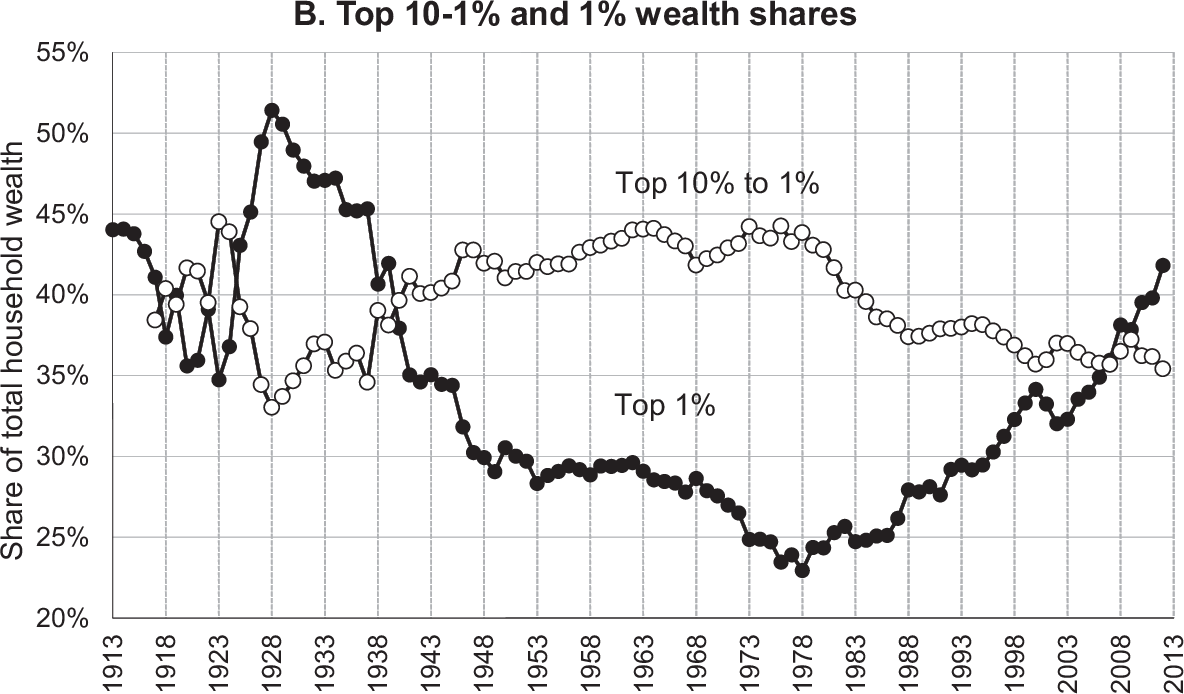
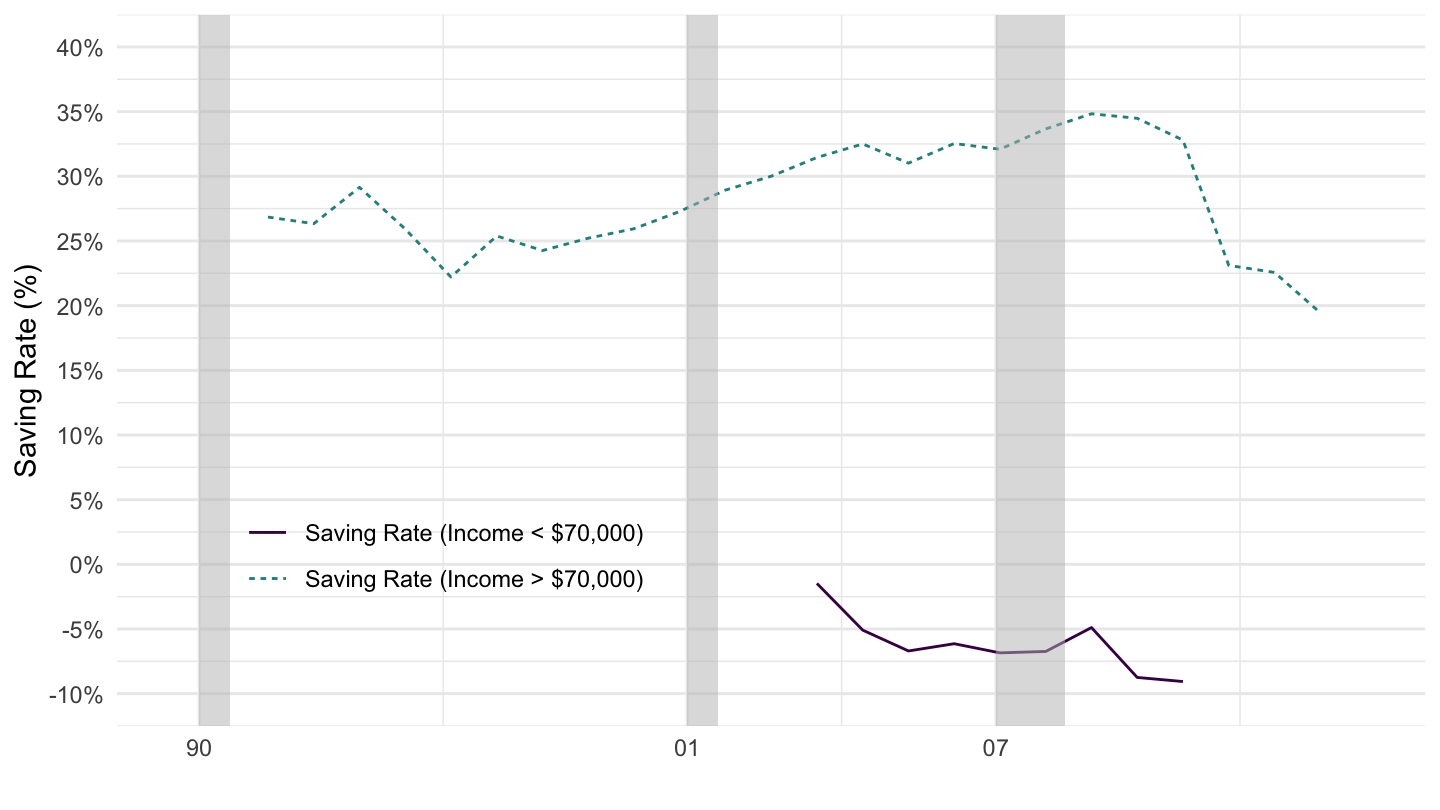
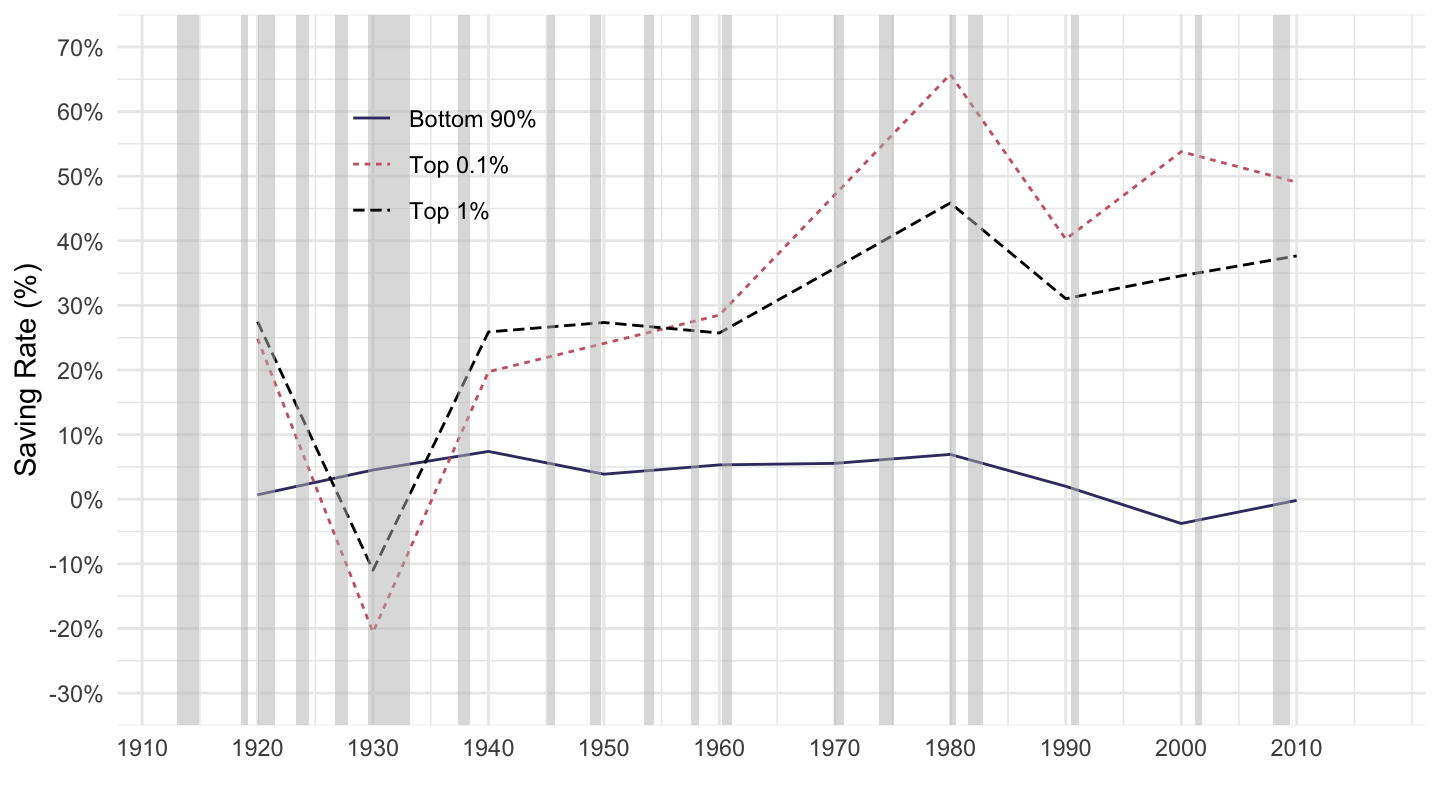
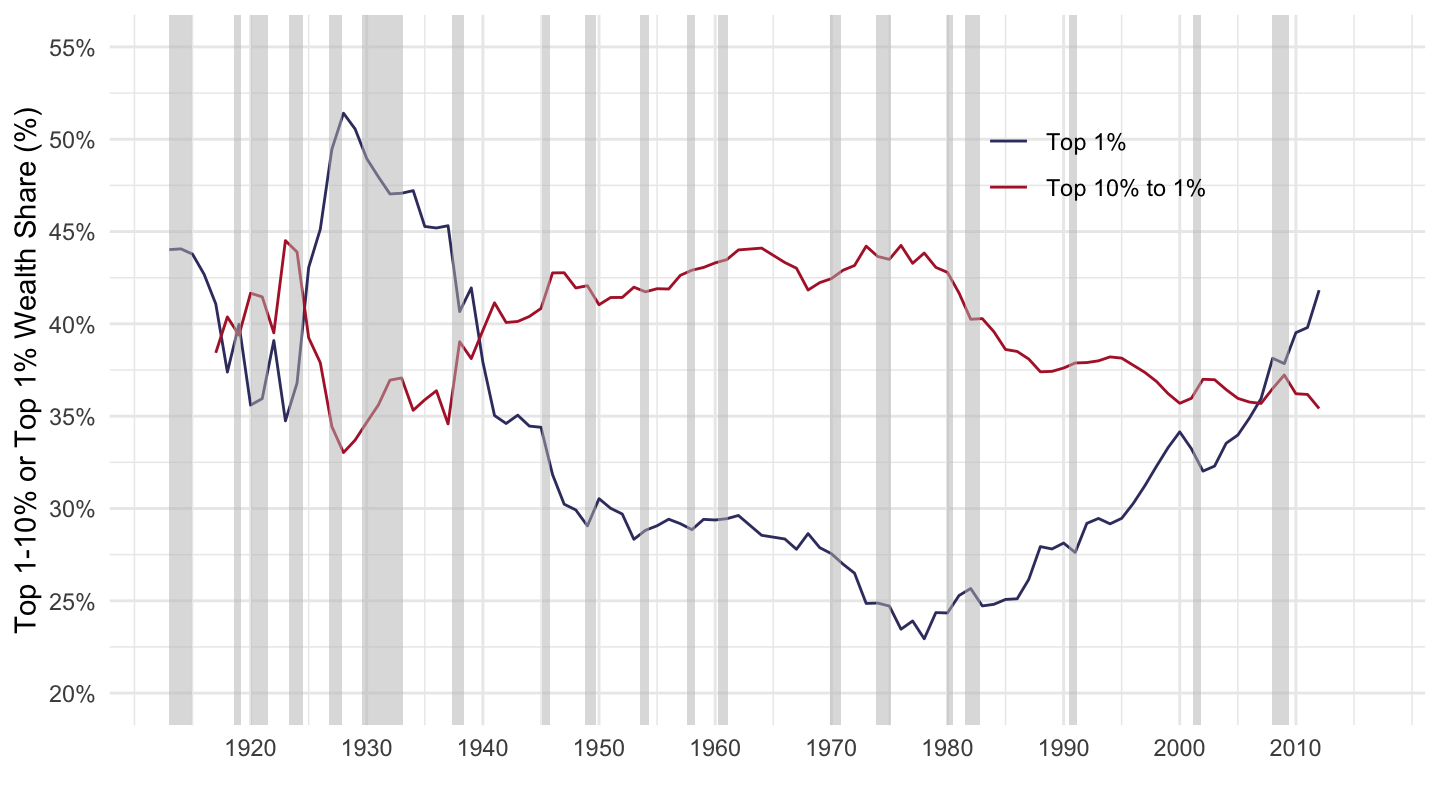
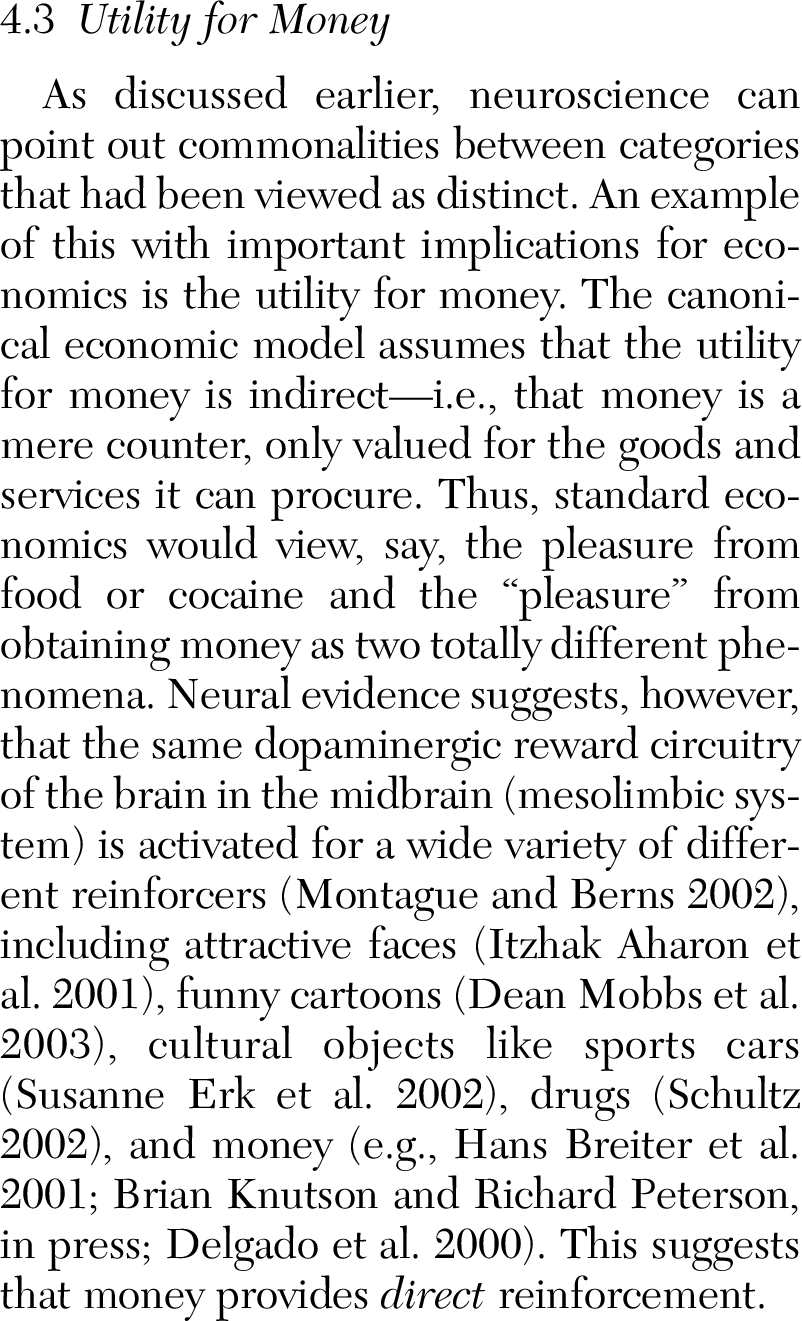
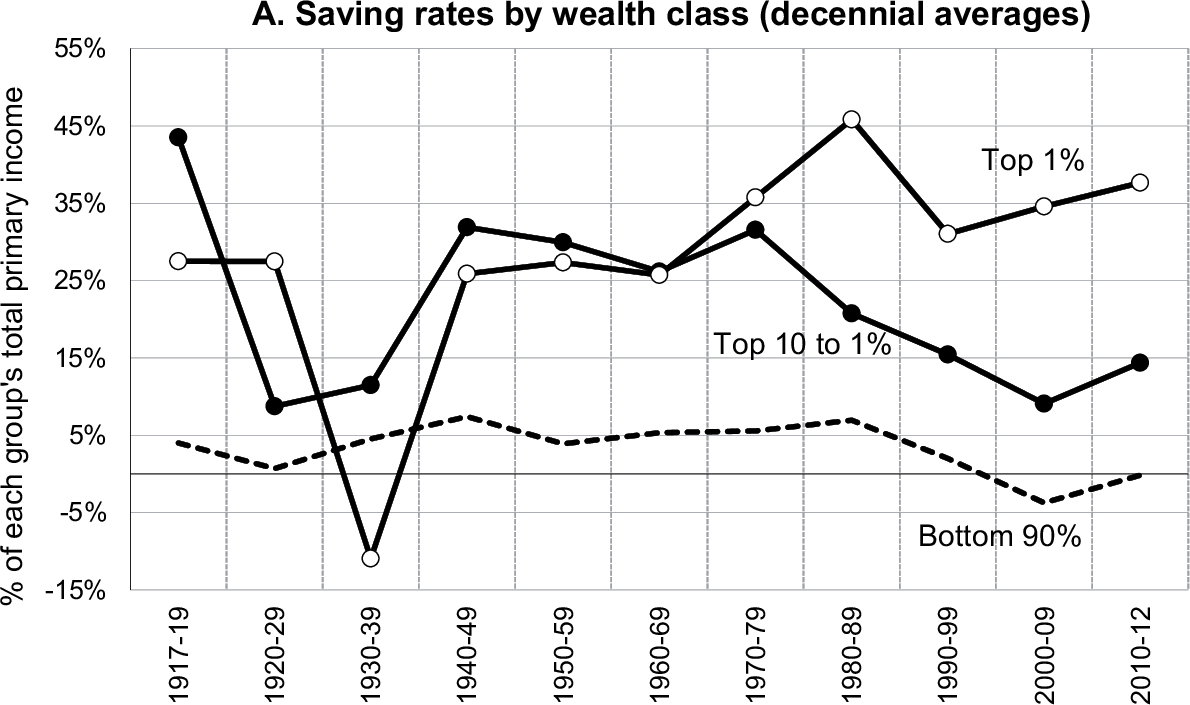
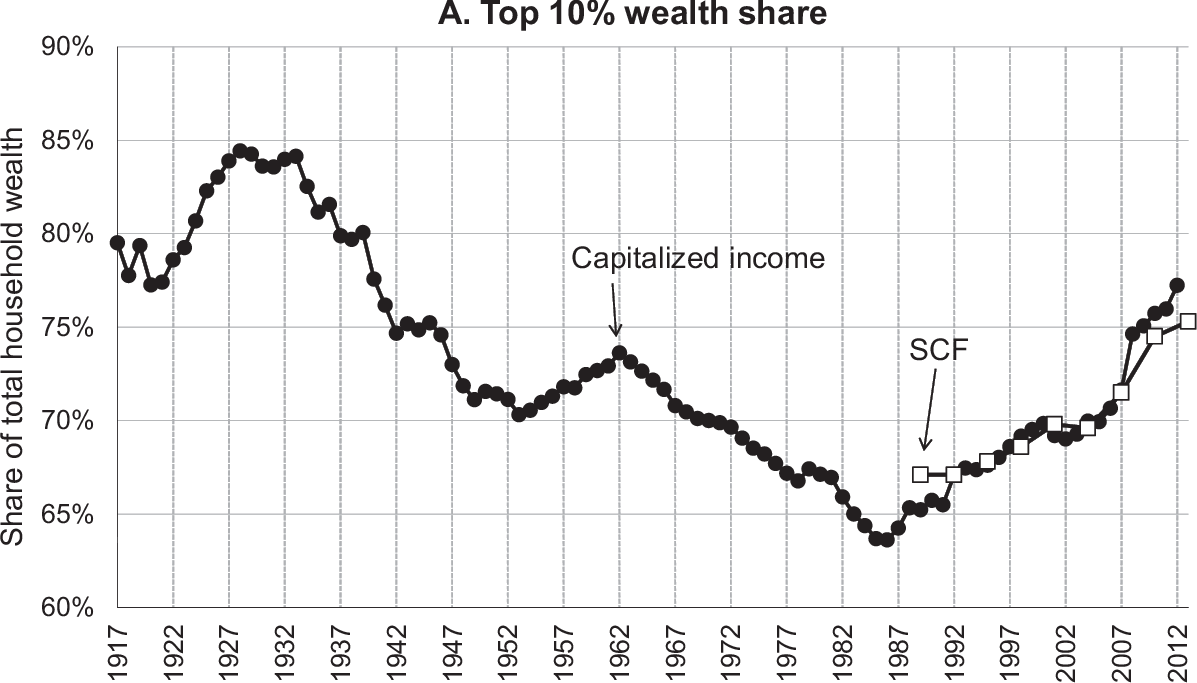
Importance of consumption / saving of the rich / very rich. Why do they save so much ?
Some references: Understanding consumption, Angus Deaton (1992); Jonathan Parker’s papers.
Transaction-level account data from Personal Finance Website.
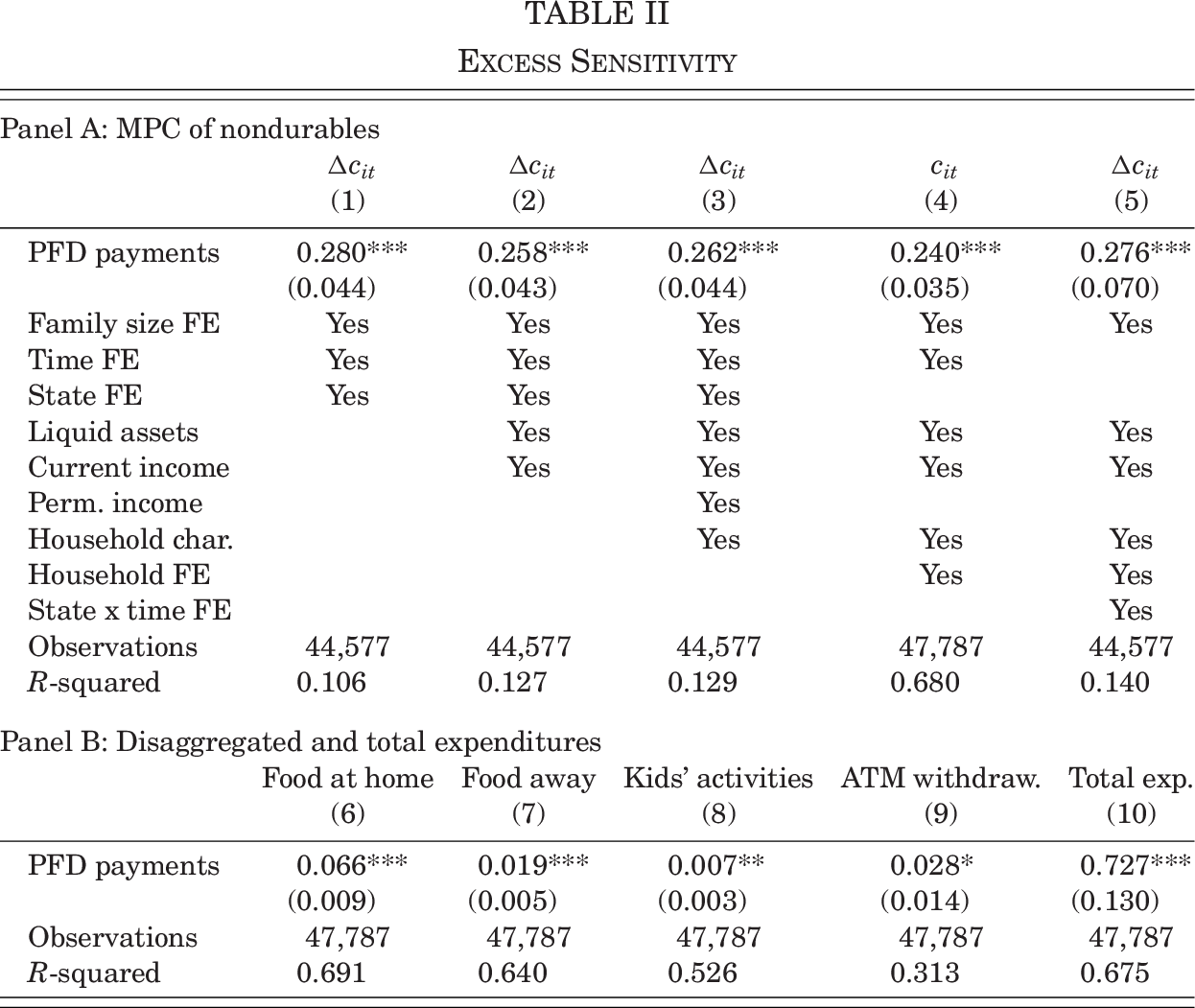
Quasi-natural experiments provided by the large annual Permanent Fund Dividend (PFD) payments from the Alaska Permanent Fund.
Since 1982, the fund has been making annual lump-sum payments of $1650 on average in October to every Alaskan citizen, including children. This amounts to a total payment of $4,600 for the average Alaskan household, which has 2.8 members.
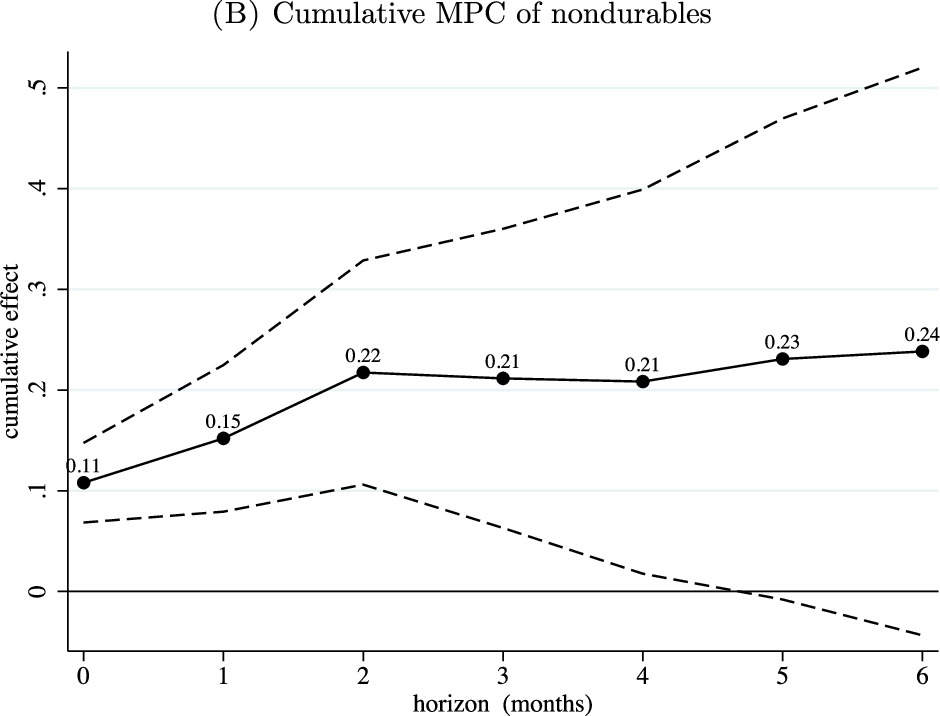
Fact 1. The quarterly non durables MPC out of the PFD payments is 25% on average.
Fact 2. MPCs are heterogeneous across households, monotonically increasing with income, and the average response is largely driven by high-income households, who have MPCs above 50%.
Fact 3. Liquidity cannot explain the observed MPCs, because most households in the sample hold substantial amounts of liquid assets (both in levels and as a fraction of income), in particular these high-income households, who could easily smooth the PFD payments. In the data, I find that having few liquid assets (checking and saving account balances) predicts higher MPCs only for lower-income households.
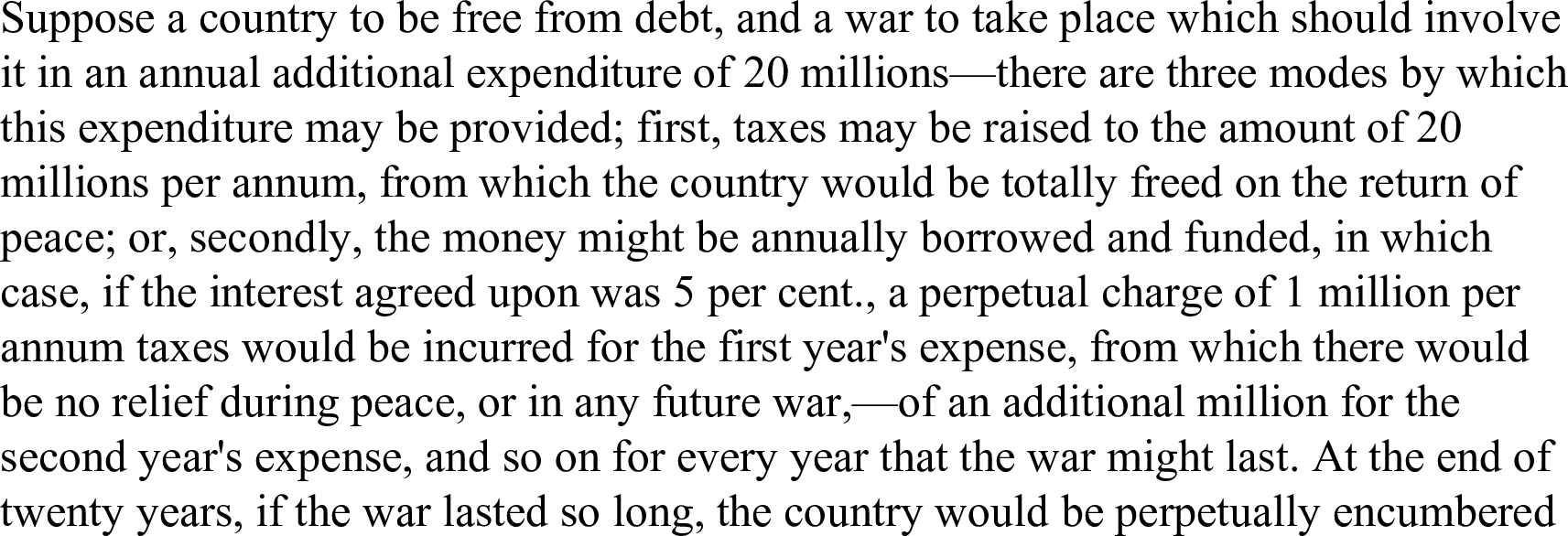
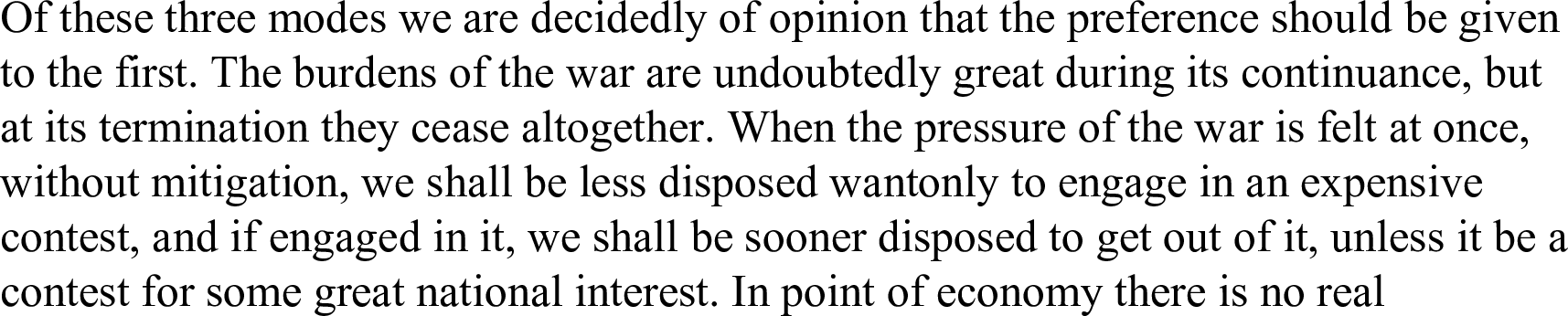
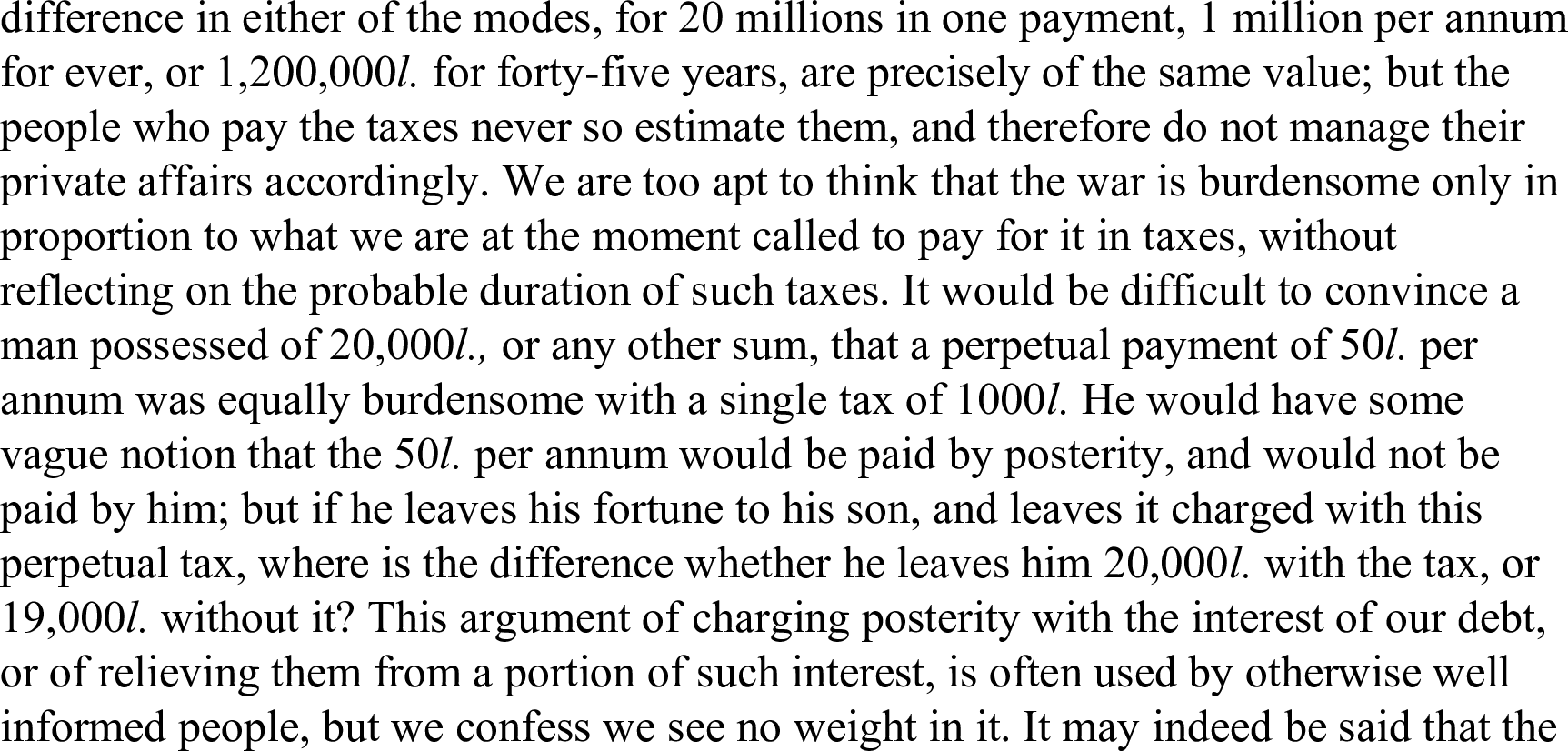
Story is very complicated. First, because Ricardo himself did not believe in what is now called “Ricardian” equivalence.
Moreover, this view is often misrepresented.
It is a view that is critical of Keynesian economics, but it is not against public debt. Argues that Keynesian stimulus is not efficient.
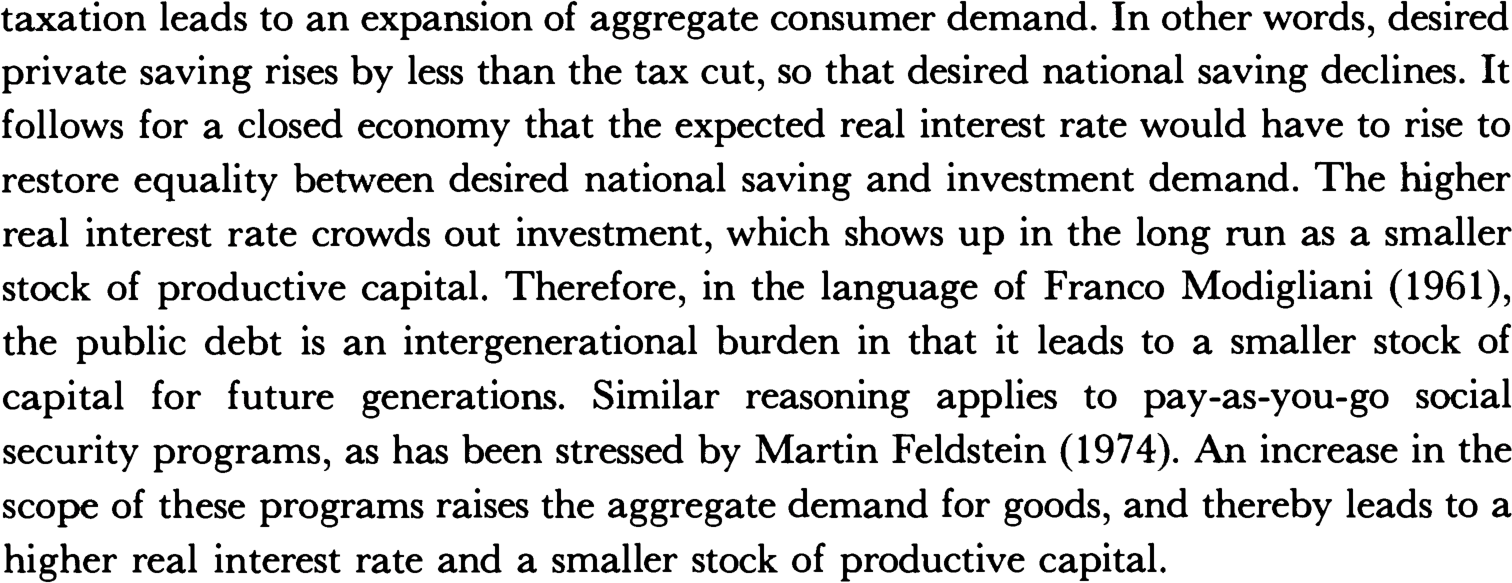
But this view is also critical of the crowding-out hypothesis, that is often used to criticize public debt and Keynesian economics. (public debt raises interest rates) Therefore, this view also asserts that the debt hawks are wrong.


Clear evidence of a decline in national saving in the face of increased federal deficits.
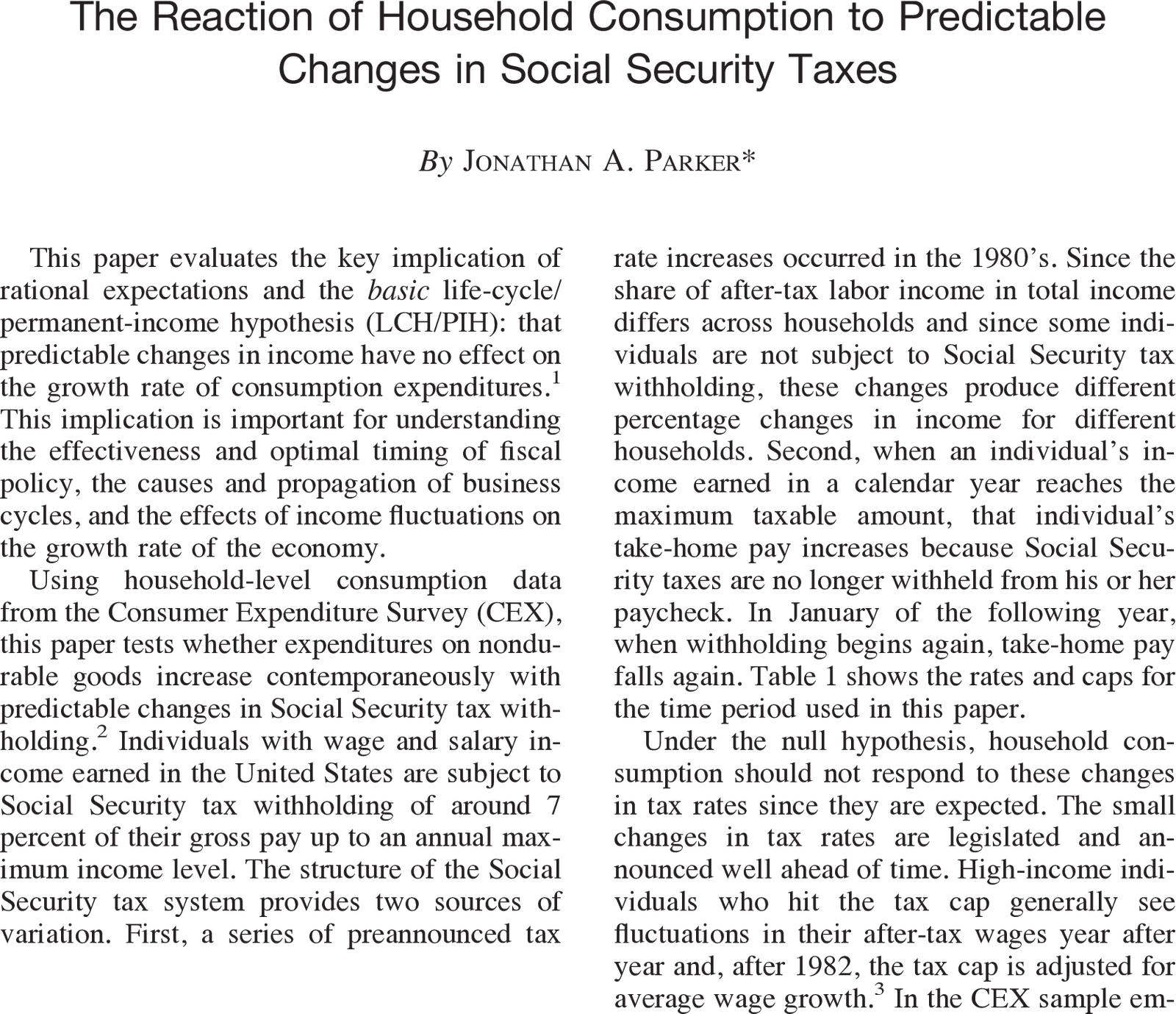
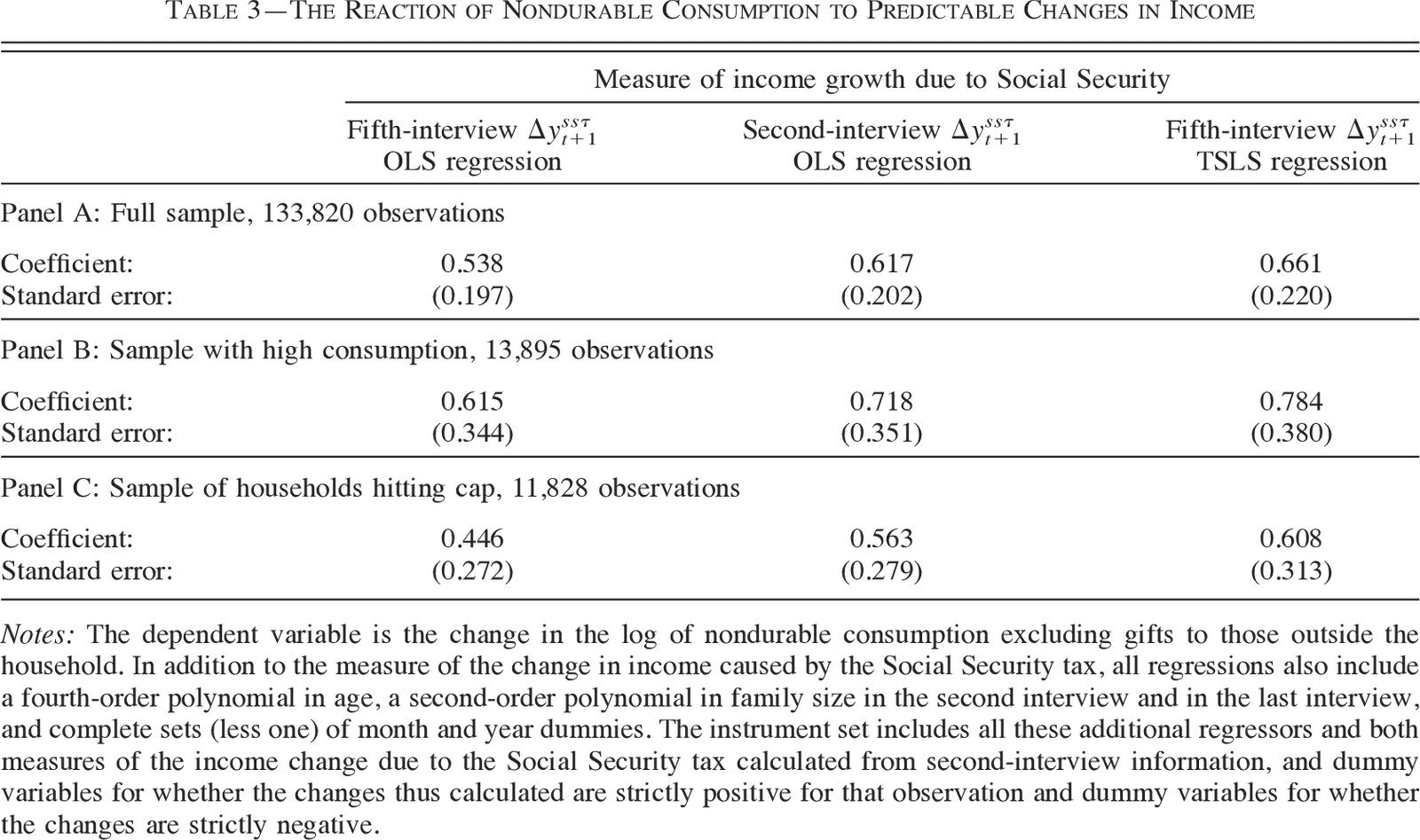
Direct evidence that preannounced tax policies affect consumption spending when they are implemented.
Large real appreciation in the dollar and the associated trade deficit provide further support for the traditional view of the economic effects of the deficits.
The observation that real interest rates frequently fail to rise during wars, when nearly all theories predict they should rise, suggests that these findings may tell us more about our ignorance concerning interest rate determination than about the consumption effects of debt policies.
Changes in tax policy as a natural experiment.
In the face of exceptionally large peace-time government deficits during the 1980s, private saving has not increased and may well have declined.
This clearly violates Ricardian equivalence, or rather Ricardian non-equivalence Barro (1974), O’Driscoll (1977).
This is a macro identification strategy, using an event study. However, this holds true more generally:
Confirms microeconomic evidence that people do consume when face with lower taxes (even the non hand to mouth).
is confirmed by more extensive macroeconomic evidence.
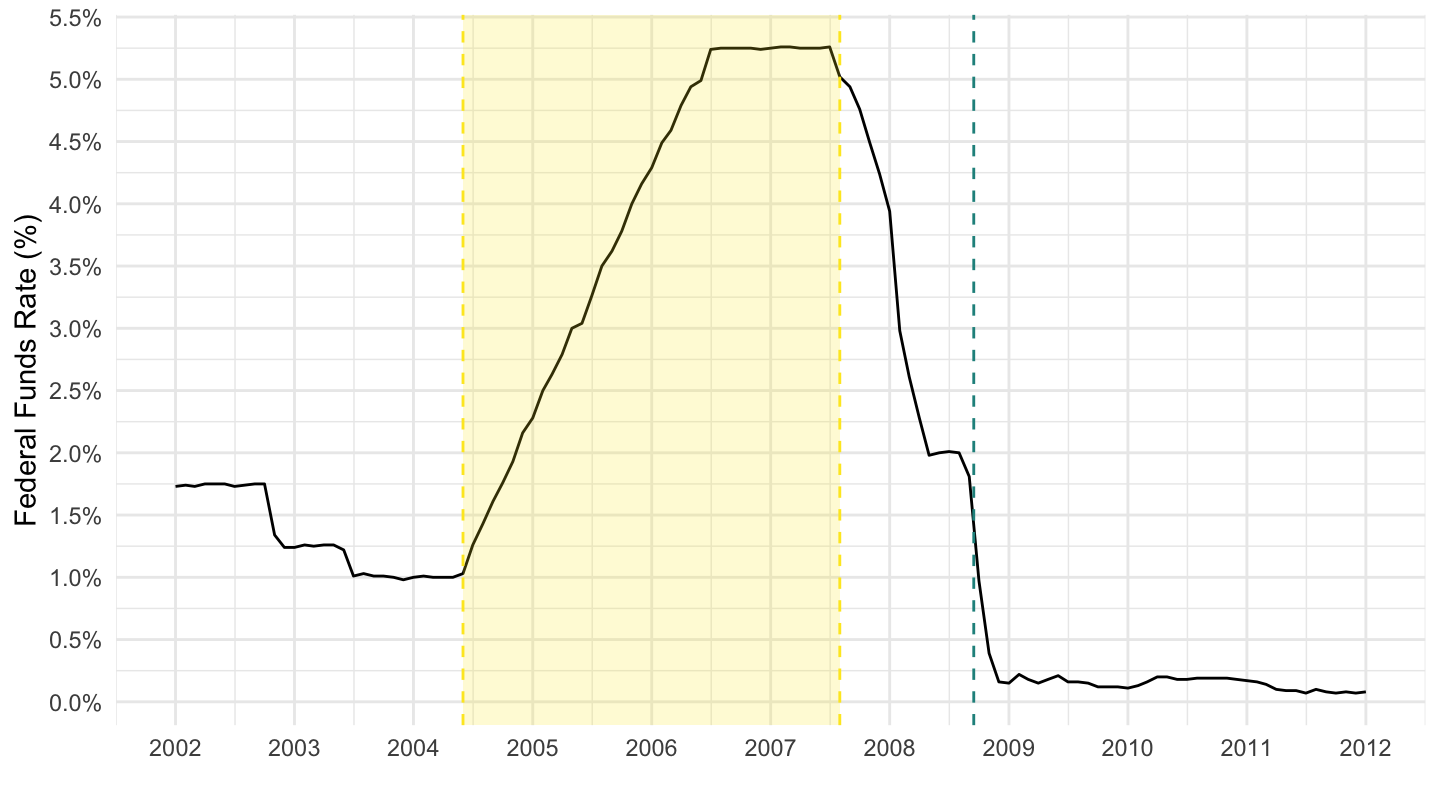
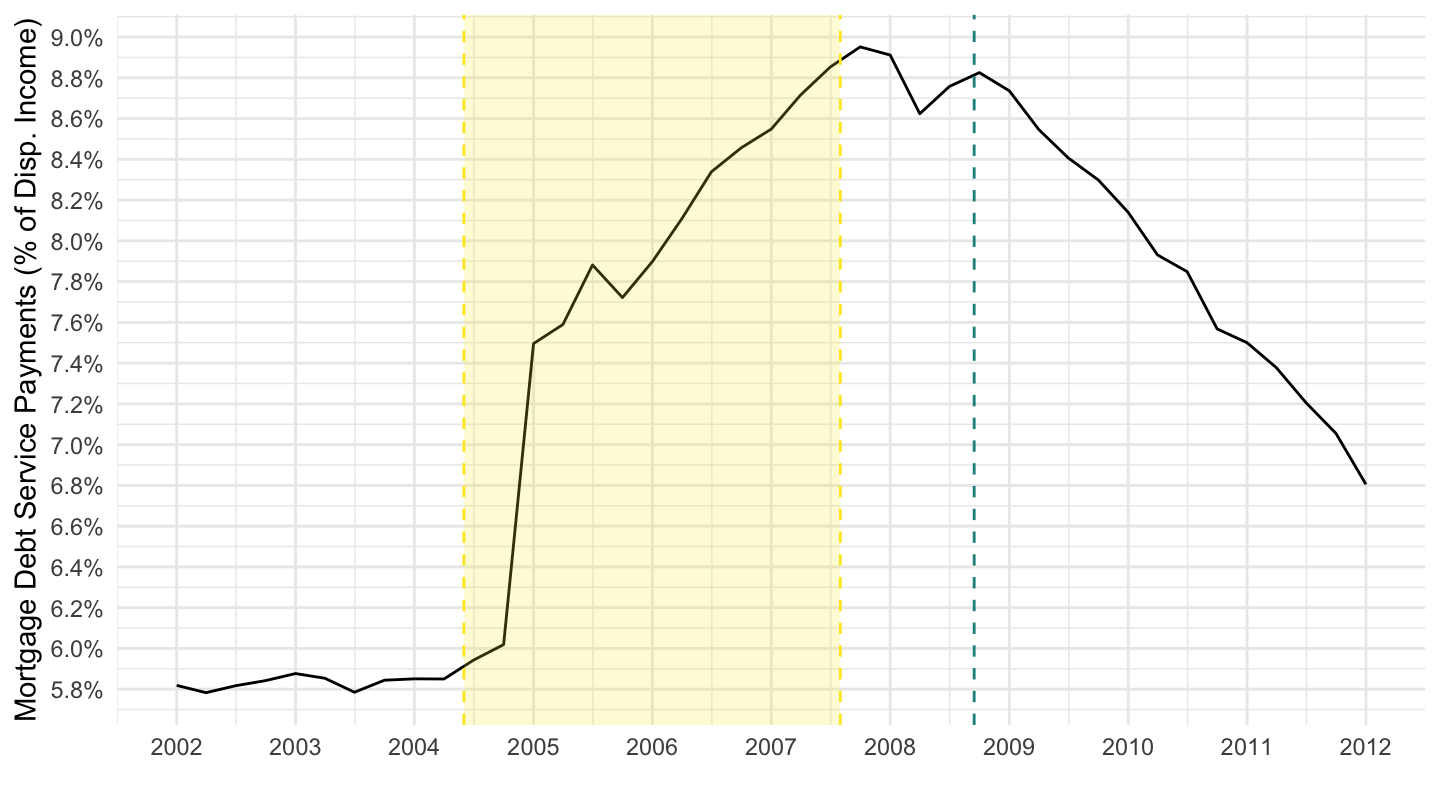
Suppose your loan is interest only.
If interest rates go from 1% to 4%, with inflation going from 2% to 5% than your rate goes from 1% to 4%, and your monthly payments are multiplied by 4.
In principle the value of your loan is diminished by that amount, so you should borrow to pay these.
Of course, you will face borrowing constraints. (and probably not even think about it in this way)
Application: Revisiting “housing wealth effects”. (including one of my earlier papers…)
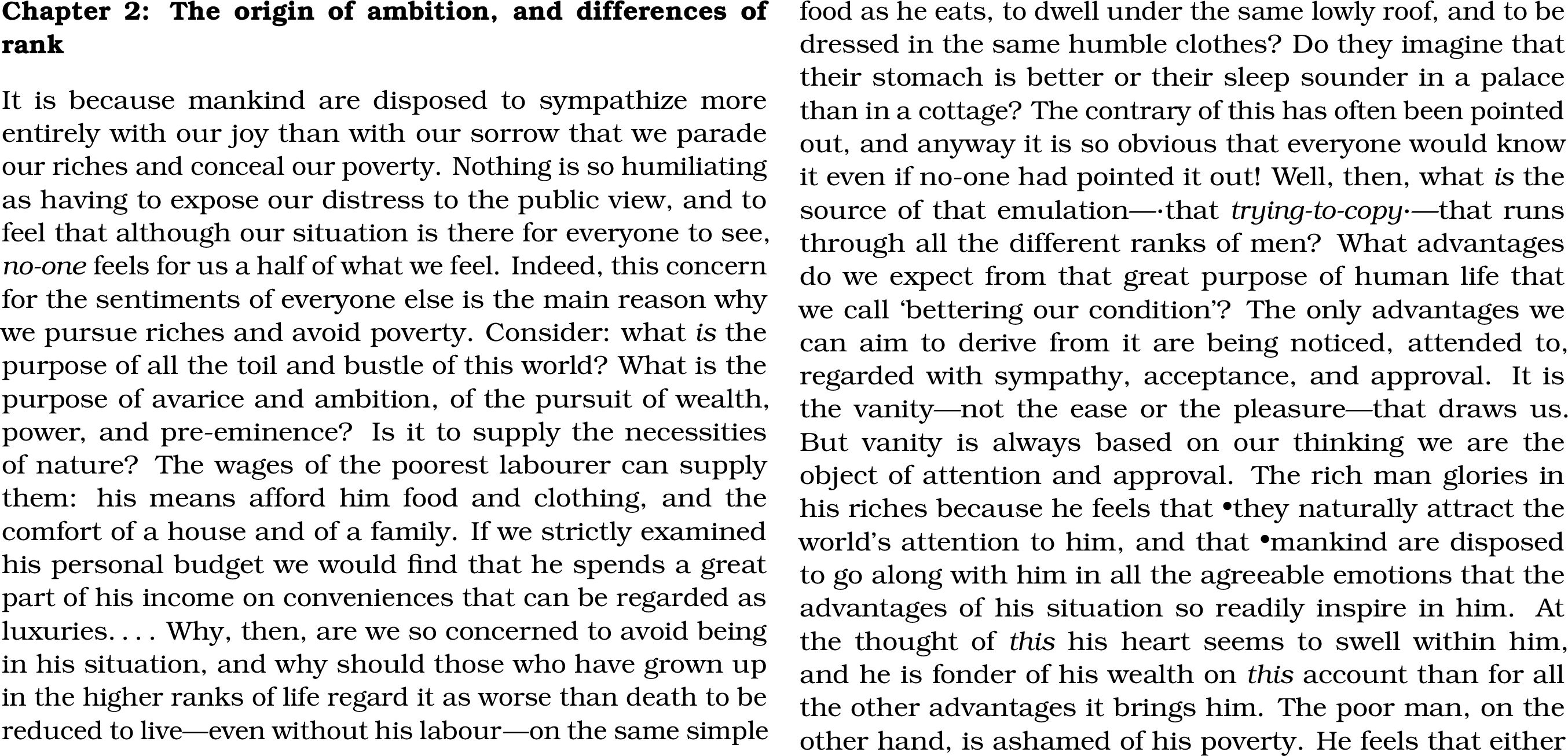
But think for a moment about an already very rich agent such as Donald Trump. Why does he continue to work long days, endure substantial amounts of stress, and take enormous risks? Surely it cannot be that he is savoring the prospect of going to the grocery store with a looser budget constraint next year. He seems to have more money than he could spend in several lifetimes. Even if we are wrong about Trump’s net worth, there clearly seem to be wealthy individuals that continue to work very hard and take large risks to increase their net worth. It is hard to reconcile such behavior with the underlying decision making in traditional growth models. We propose that people like Trump continue to care about increasing their net worth because their utility depends not only on the absolute level of their wealth but also on their wealth relative to that of other very rich people.
Carroll (2000) - The rich save really a lot, and we do not quite understand why they do save so much. Macroeconomics models: saving for bequests ?
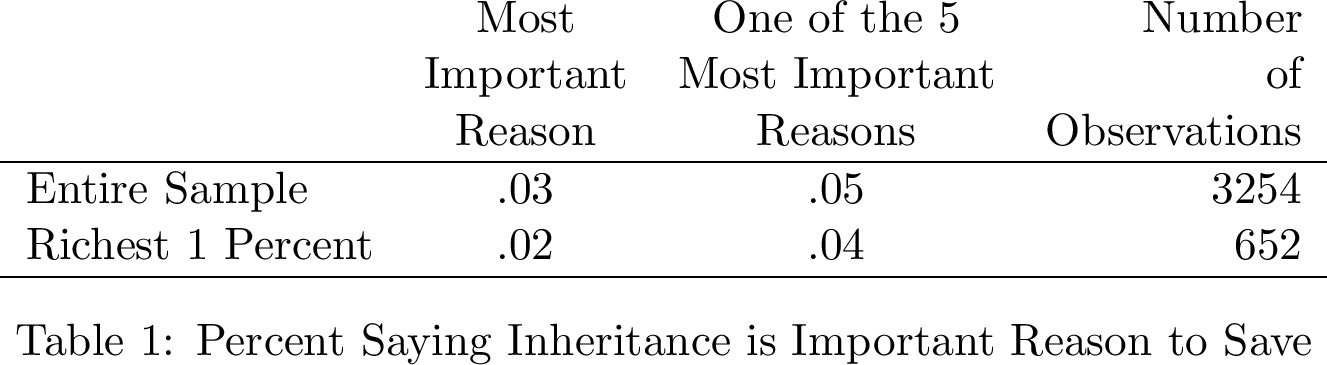
In the 1992 SCF, only 2% of the wealthy households, indicated that providing an inheritance was the most important reason to save. In fact, even the elderly save.
Moreover, Kotlikoff and Summers (1981) have shown that a small fraction of aggregate wealth is actually due to life-cycle saving.
“Another obvious test of the model is to see whether the childless elderly tend to dissave more than those with children. This hypothesis has been tested using population-representative data; Hurd (1986) found that in the population as a whole, there is no tendency for elderly with children to decumulate faster than those without.”


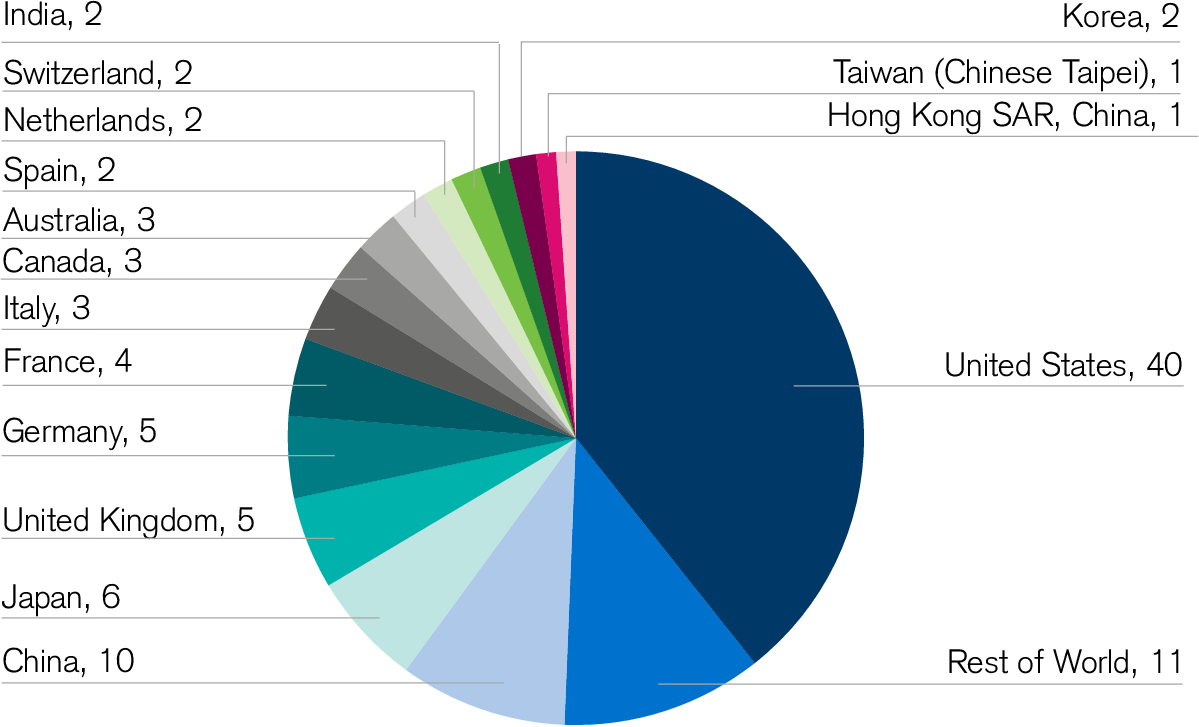
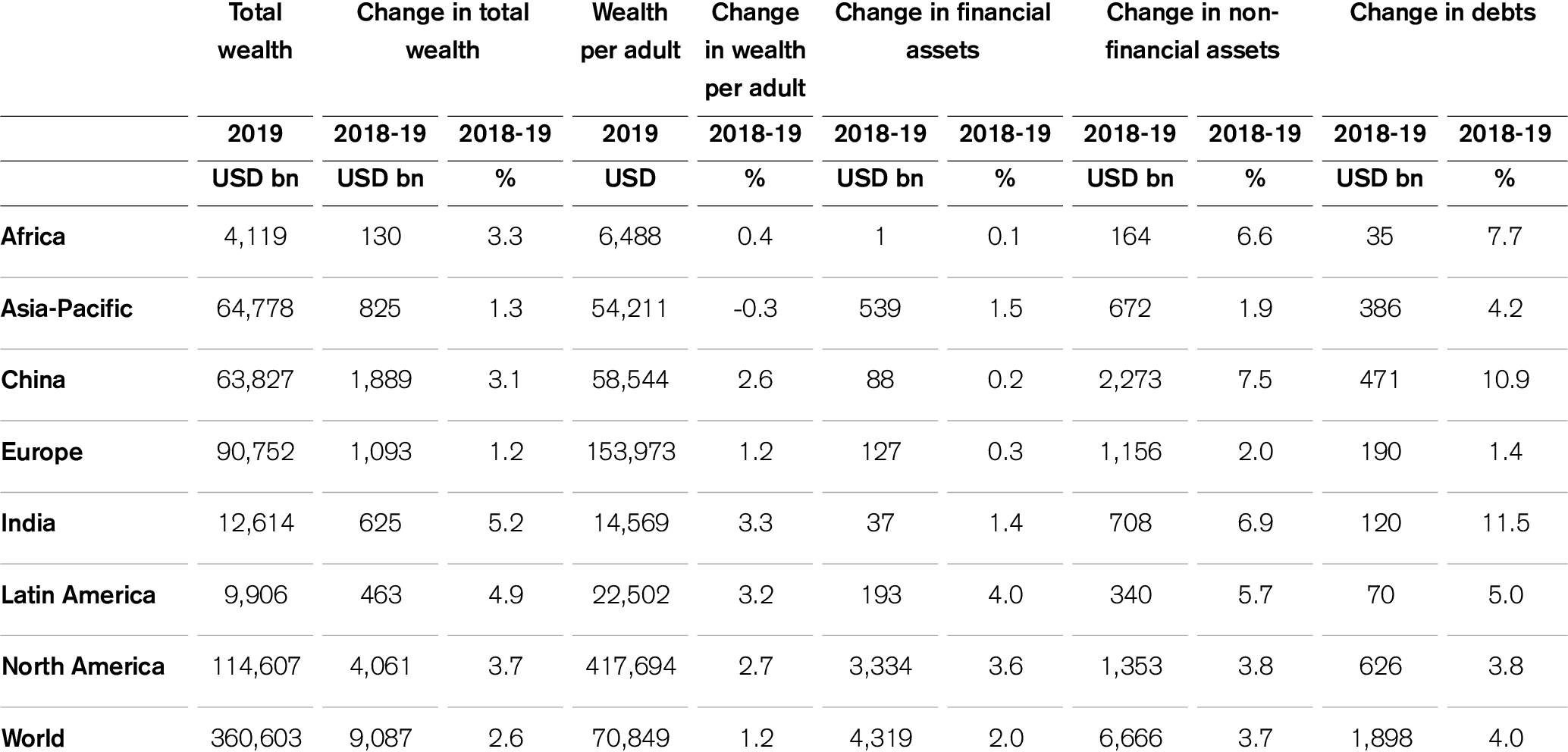
Global debt (public + private) = $188Tn. IMF
Once you reach a certain level in a material way, what more can you do? You can’t eat more than three meals a day; you’ll kill yourself. You can’t wear two suits one over the other. You might now have three cars in your garage-but six! Oh, you can indulge yourself, but only to a point.