Flexible Exchange Rates as Capital Controls2
François Geerolf1
Abstract
Keywords: Monetary union, .
JEL classification:
1 Introduction
Mundell (1963) Fleming (1962)
In the classical trade-off by Mundell (1961), the costs of a monetary union are only arising from not sharing the same exchange rate, which shuts down the boost to exports done by a depreciation when there is a crisis. Moreover, a counry in a currency union cannot use its monetary policy to smooth out shocks. This paper shows that in a fixed exchange rate regime, macroeconomic fundamentals (consumption?) are more volatile because capital inflows do not fear the risk of a devaluation. Therefore, for a given fiscal shock – for example – there is a much bigger response in a currency union, and the stimulative aggregate demand effects are much more spread than if not. Note indeed that in the case of government debt, the principal is also important: the full sequence of all interest rates, and the full sequence of all exchange rates, matters, in order to determine the value of the debt.
2 Model
Consumers get a fiscal boost. The question is how much this stimulates local production or foreign production. There are two sides to the transaction:
- who finances the bond buying. If it’s local production that’s stimulated, then the extra saving can perfectly finance the bond buying
- if not, then it’s the foreign country that is now saving more and they can buy my government bonds as a store of value.
If consumers want to buy foreeign goods, then there are two possibilities: either they buy foreign currency, with domestic currency, which drives up the price of the foreign currency?
3 Exchange-rate Stabilization programs
Rebelo and Vegh (1995)
4 Countries which peg to the dollar
Problems indeed: capital flows. It’s good for trade, because it creates more security for exporters. Howeveer it makes you very sensitive to capital flows. Thus, conditional on exchange rate shocks, it’s bad.
A risk of exchange rate depreciation is like a tarriff?
References
Fleming, J. Marcus. 1962. “Domestic Financial Policies Under Fixed and Under Floating Exchange Rates.” Staff Papers (International Monetary Fund) 9 (3): 369–80. https://doi.org/10.2307/3866091.
Ilzetzki, Ethan, Carmen M. Reinhart, and Kenneth S. Rogoff. 2019. “Exchange Arrangements Entering the Twenty-First Century: Which Anchor Will Hold?” The Quarterly Journal of Economics 134 (2): 599–646. https://doi.org/10.1093/qje/qjy033.
Mundell, R. A. 1963. “Capital Mobility and Stabilization Policy Under Fixed and Flexible Exchange Rates.” The Canadian Journal of Economics and Political Science / Revue Canadienne d’Economique et de Science Politique 29 (4): 475–85. https://doi.org/10.2307/139336.
Rebelo, Sergio, and Carlos A. Vegh. 1995. “Real Effects of Exchange-Rate-Based Stabilization: An Analysis of Competing Theories.” NBER Macroeconomic Annual, January, 125–88. http://www.nber.org/chapters/c11018.
Vegh, Carlos A. 2013. Open Economy Macroeconomics in Developing Countries. MIT Press.
Appendix
A Figures
A.1 Euro Area Interest Rate Convergence
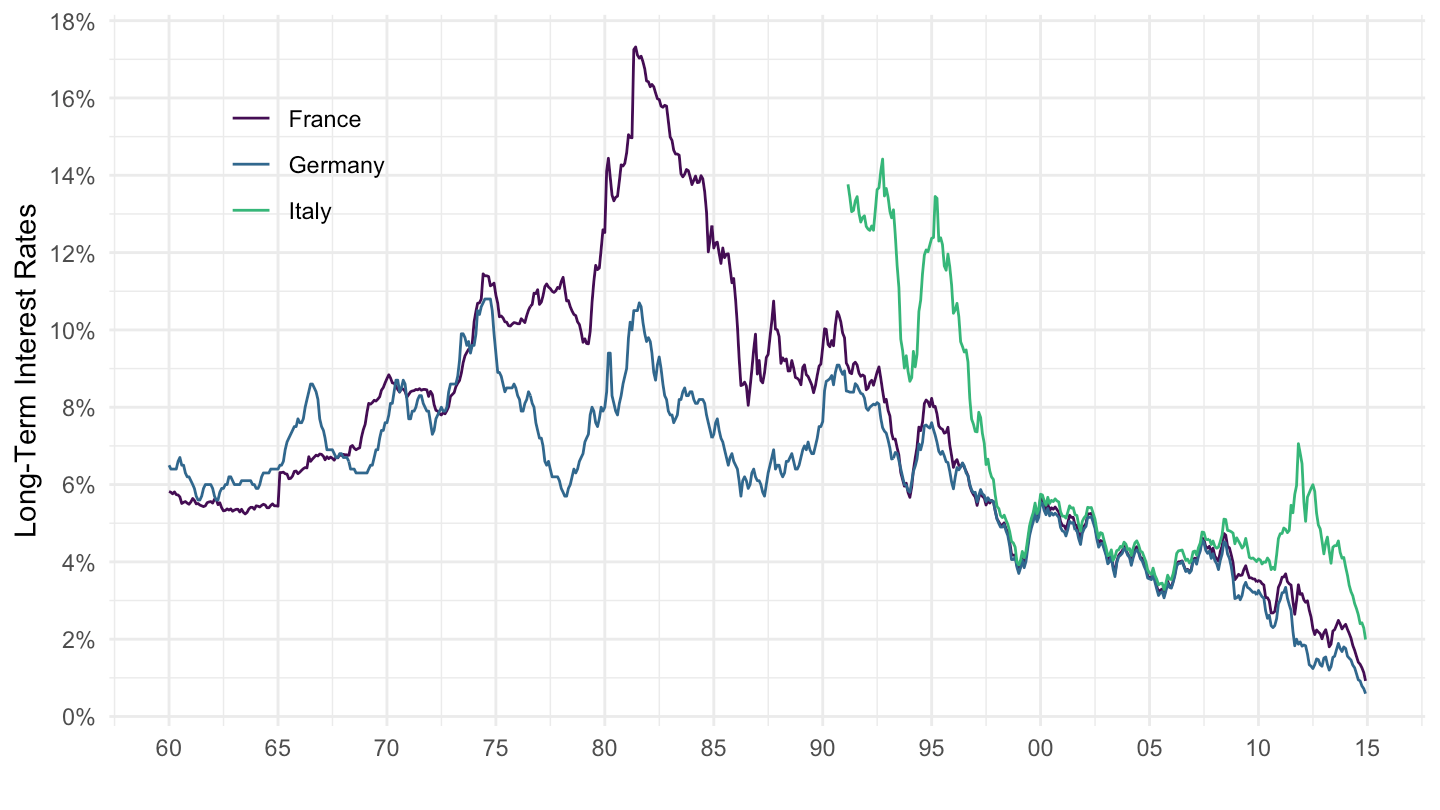
Figure A.1: Long-Term Interest Rates
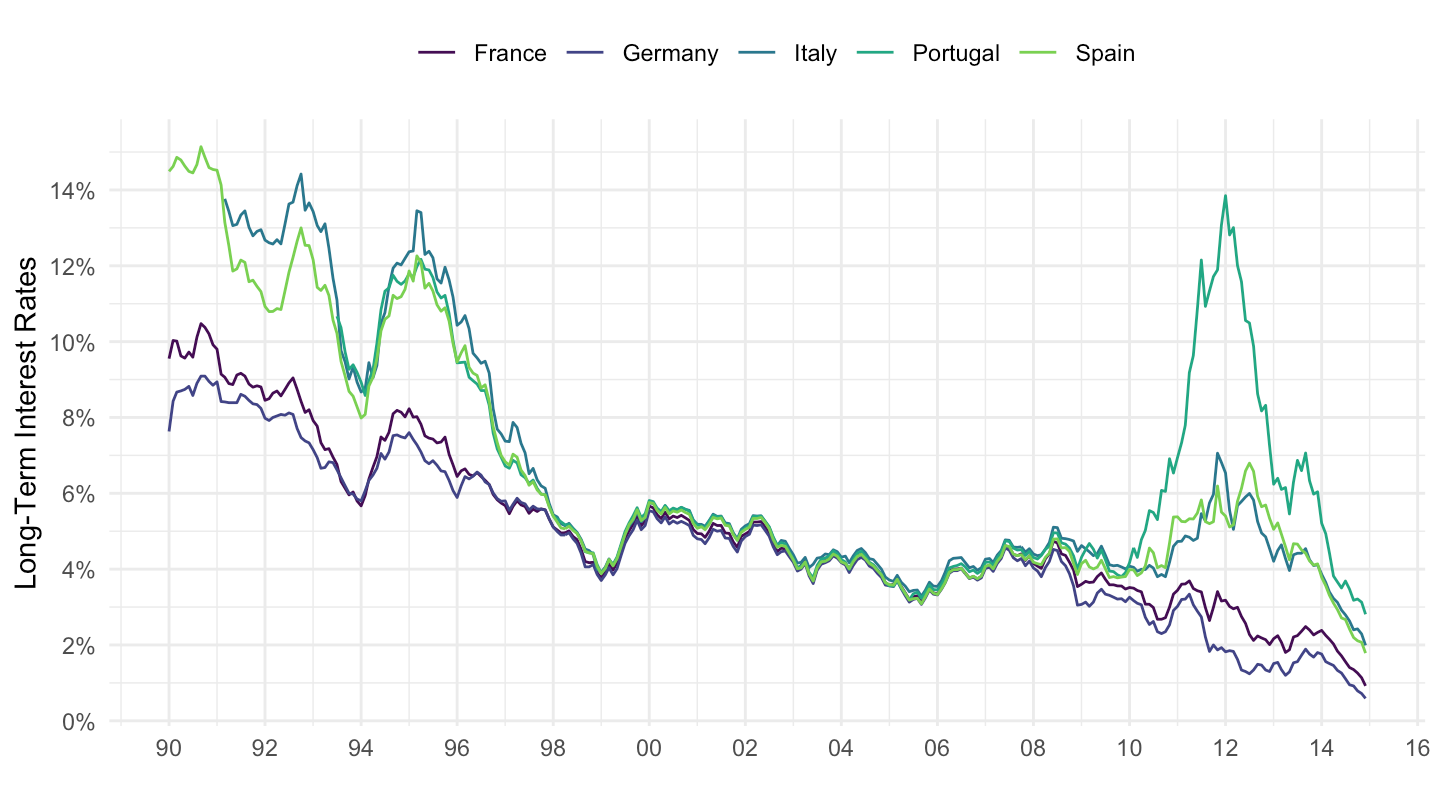
Figure A.2: Long-Term Interest Rates (1990-2019)
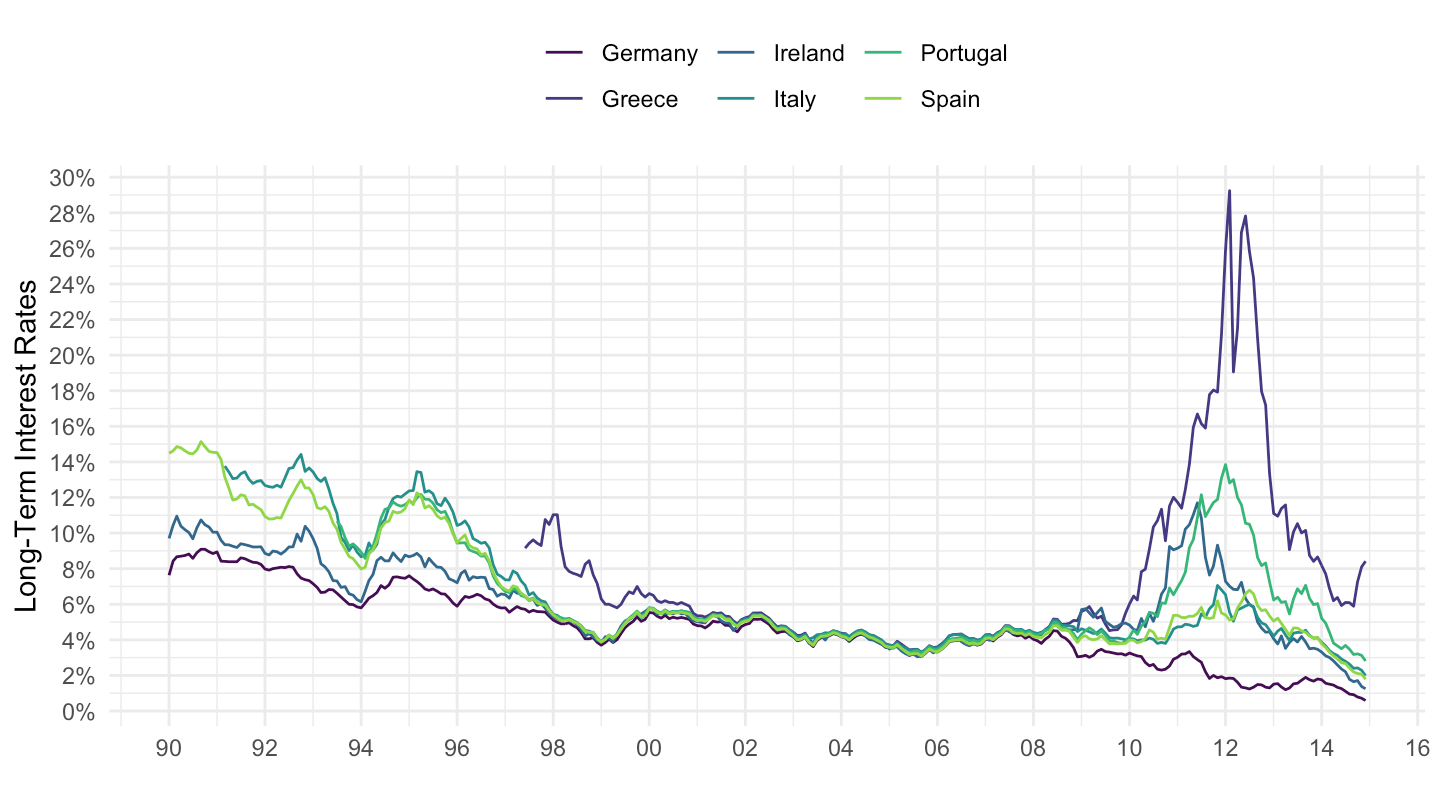
Figure A.3: Long-Term Interest Rates in PIIGS and Germany (1990-2019)
A.2 Unit Labor Cost
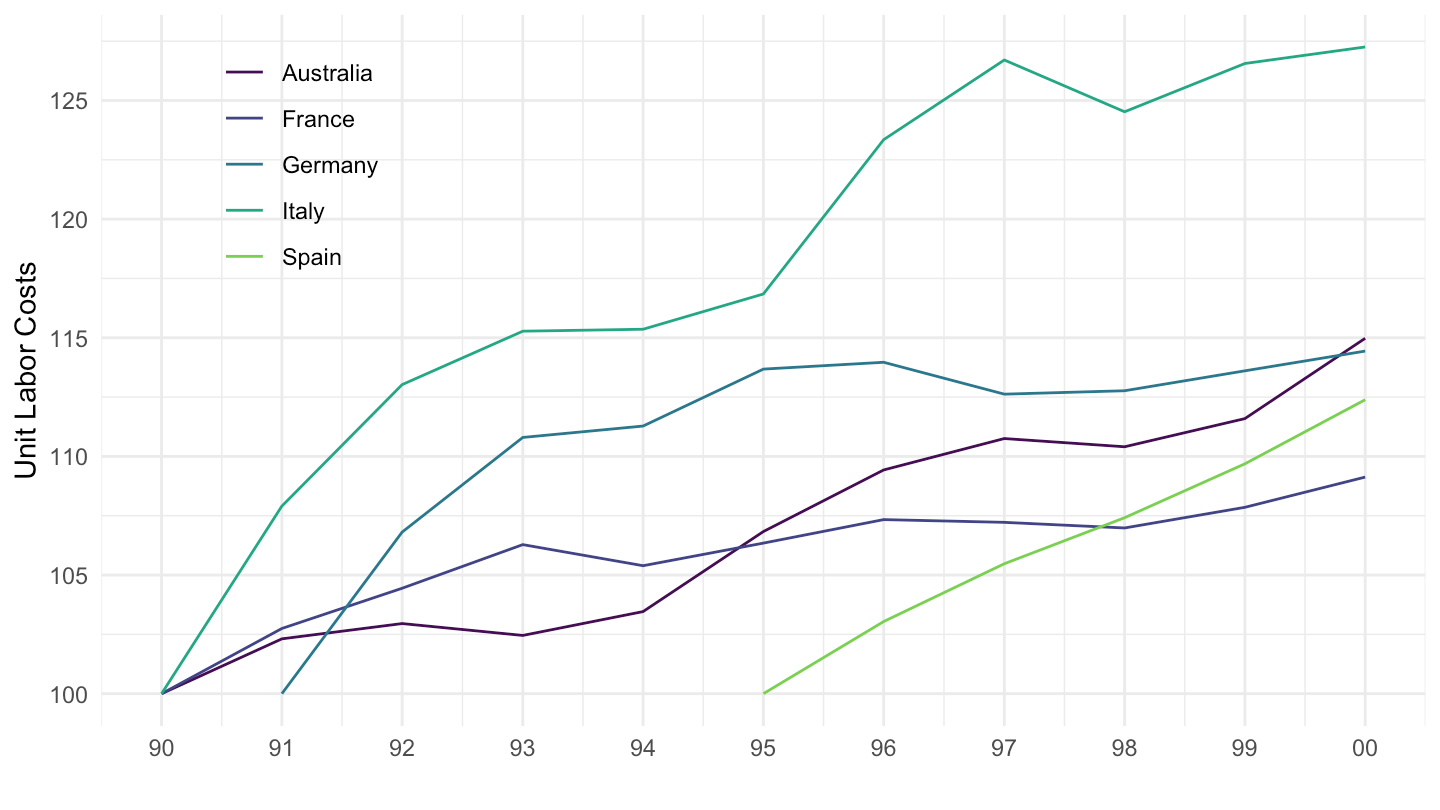
Figure A.4: Unit Labor Costs (1990-2000)
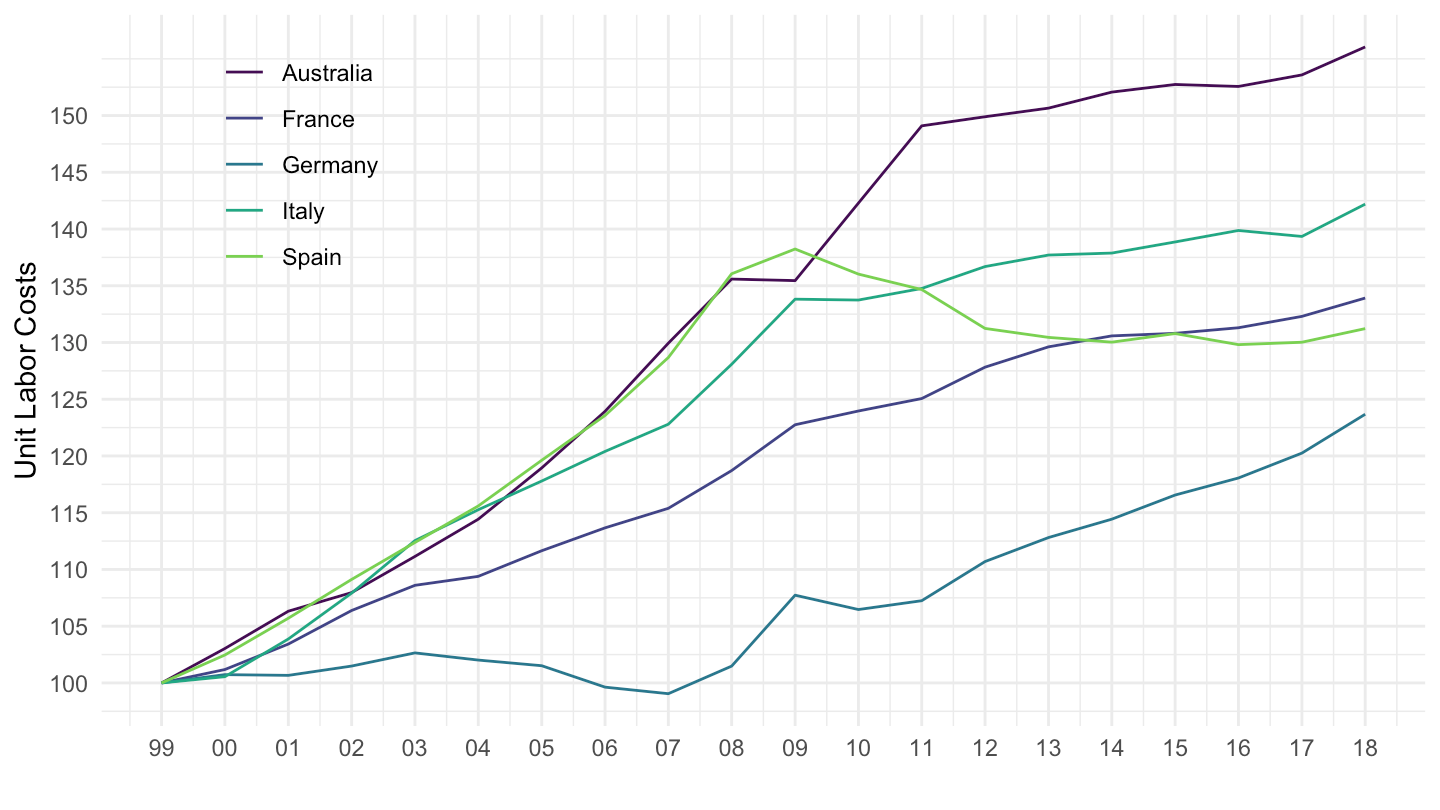
Figure A.5: Unit Labor Costs (2000-2019)
B Exchange-Rate Based Stabilization: Crises
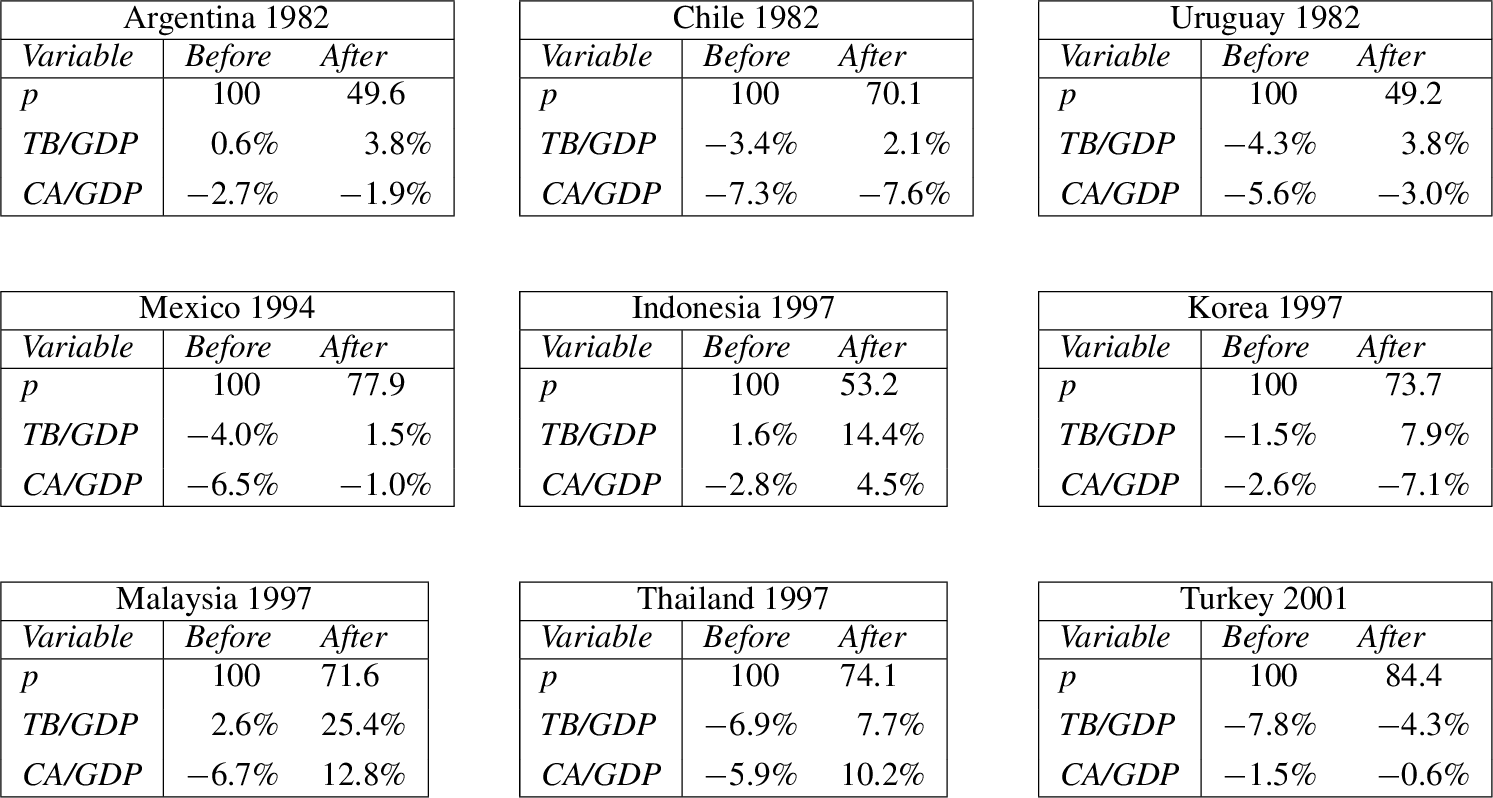
Figure B.1: Crises episodes: Relative price of nontradable goods, trade balance, and current account (from Vegh (2013))
B.1 Argentina 1982
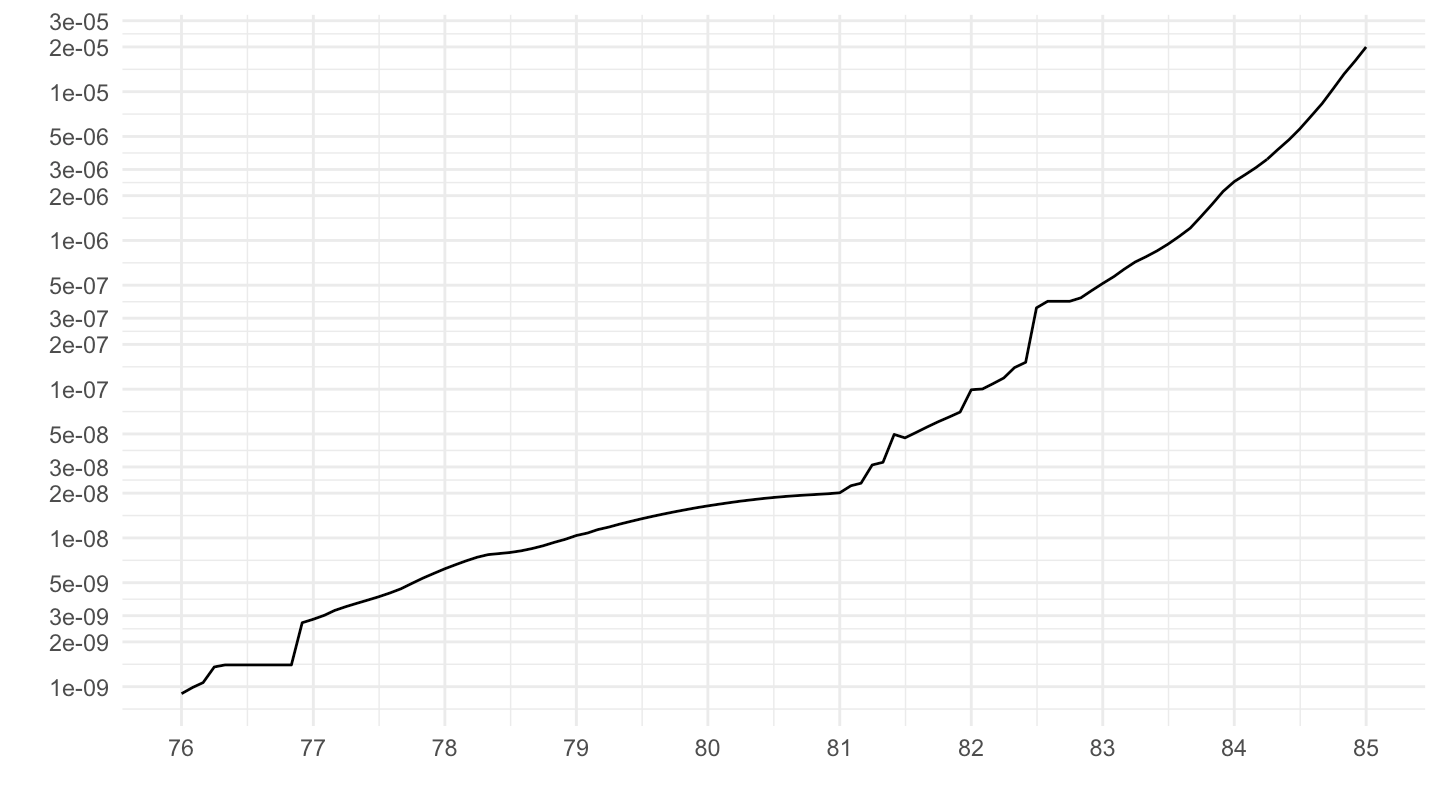
Figure B.2: Argentina Exchange Rate (around 1982)

Figure B.3: Argentina Current Account (around 1982)
B.2 Chile 1982
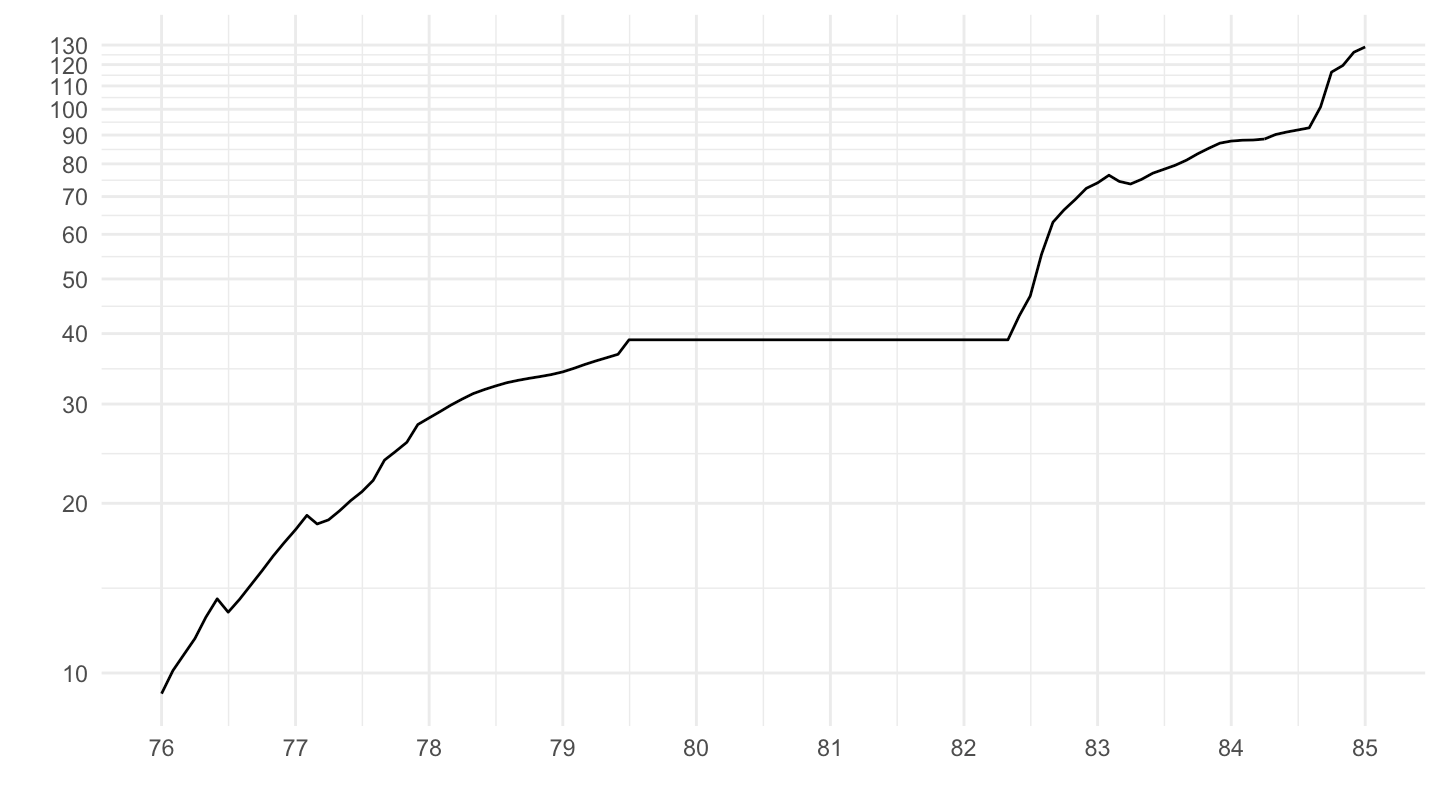
Figure B.4: Chile Exchange-Rate (around 1982)
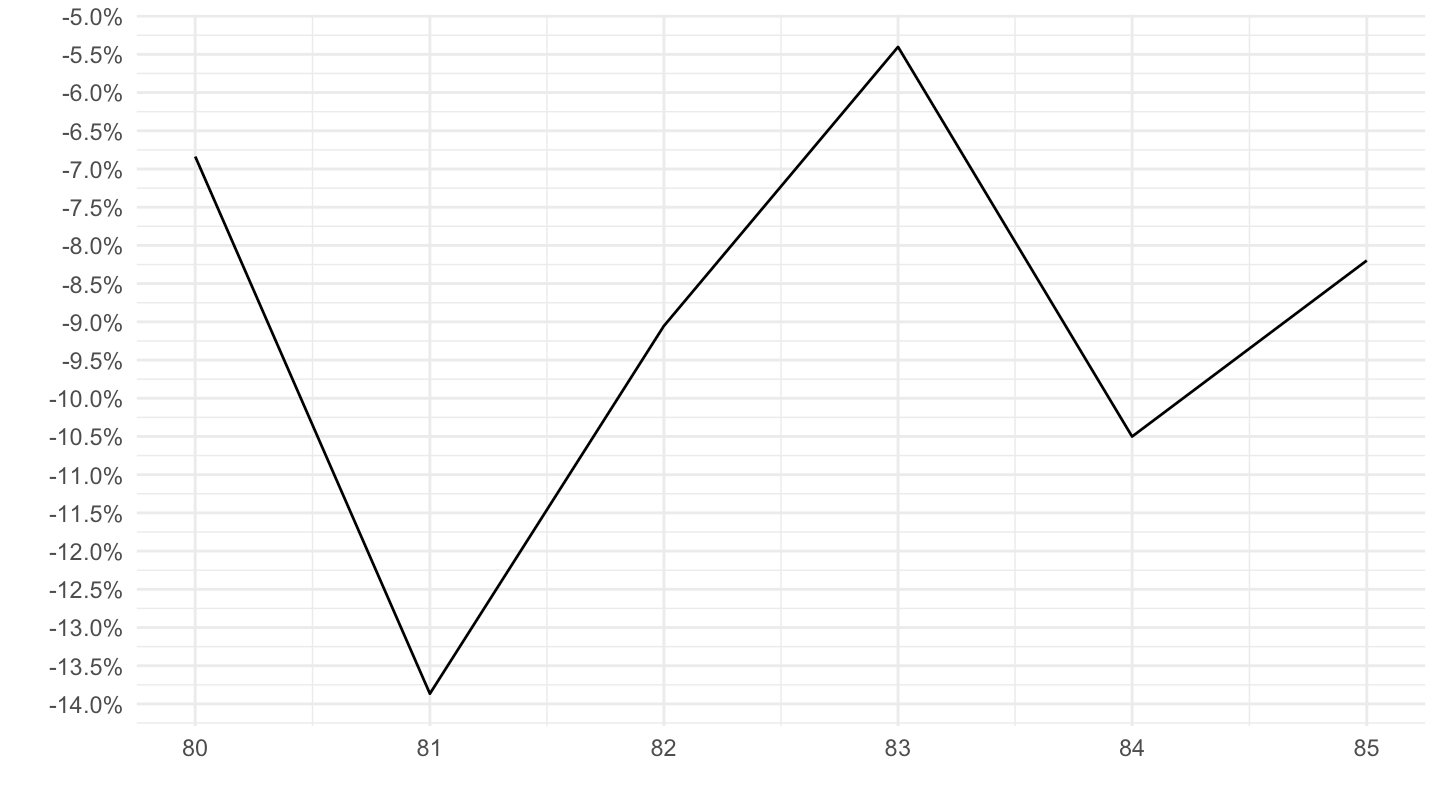
Figure B.5: Chile Current Account (around 1982)
B.3 Uruguay 1982
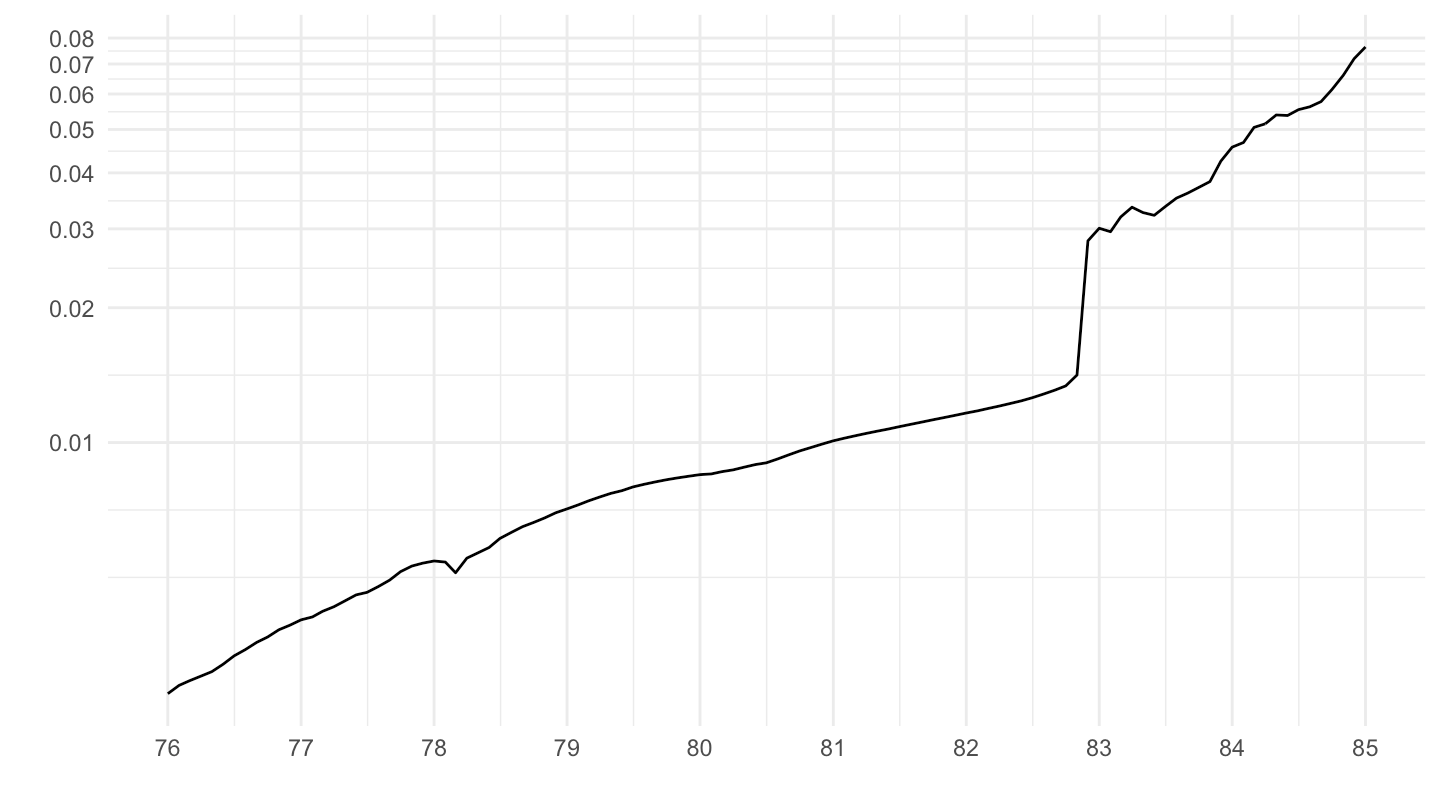
Figure B.6: uruguay Exchange-Rate (around 1982)
B.4 Mexico 1994
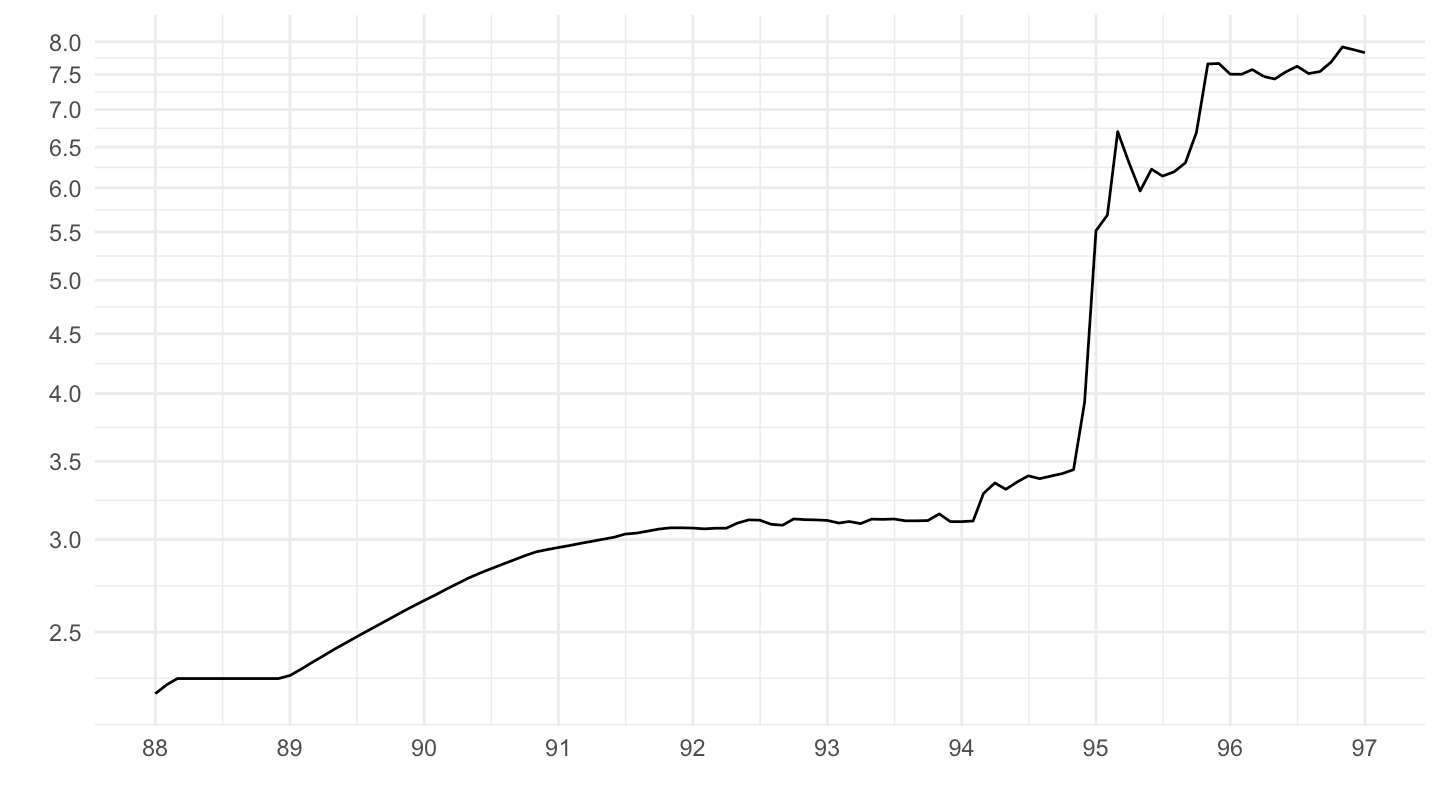
Figure B.7: Mexico Exchange-Rate (around 1994)

Figure B.8: Mexico Current Account (around 1994)
B.5 Indonesia 1997
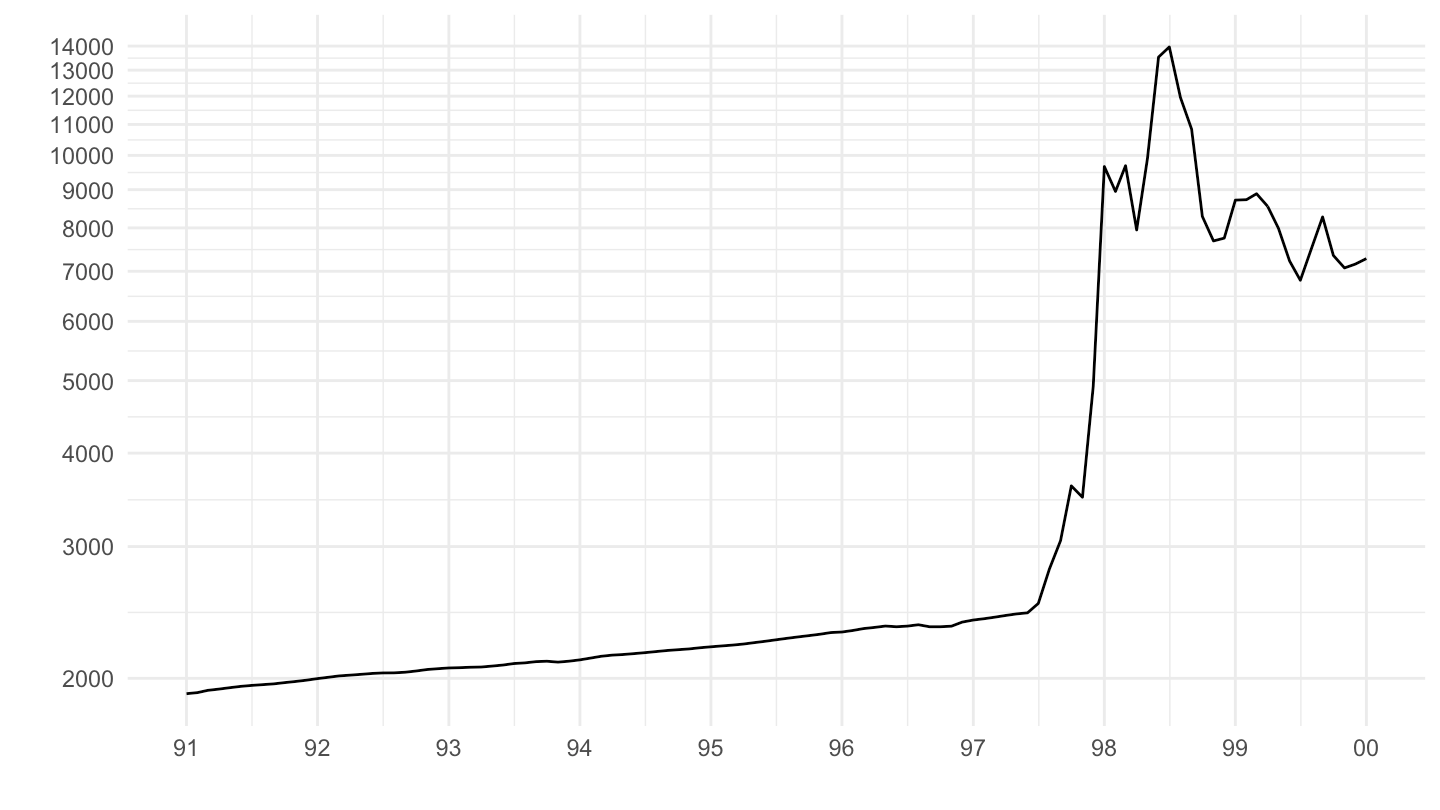
Figure B.9: Indonesia Exchange-Rate (around 1997)
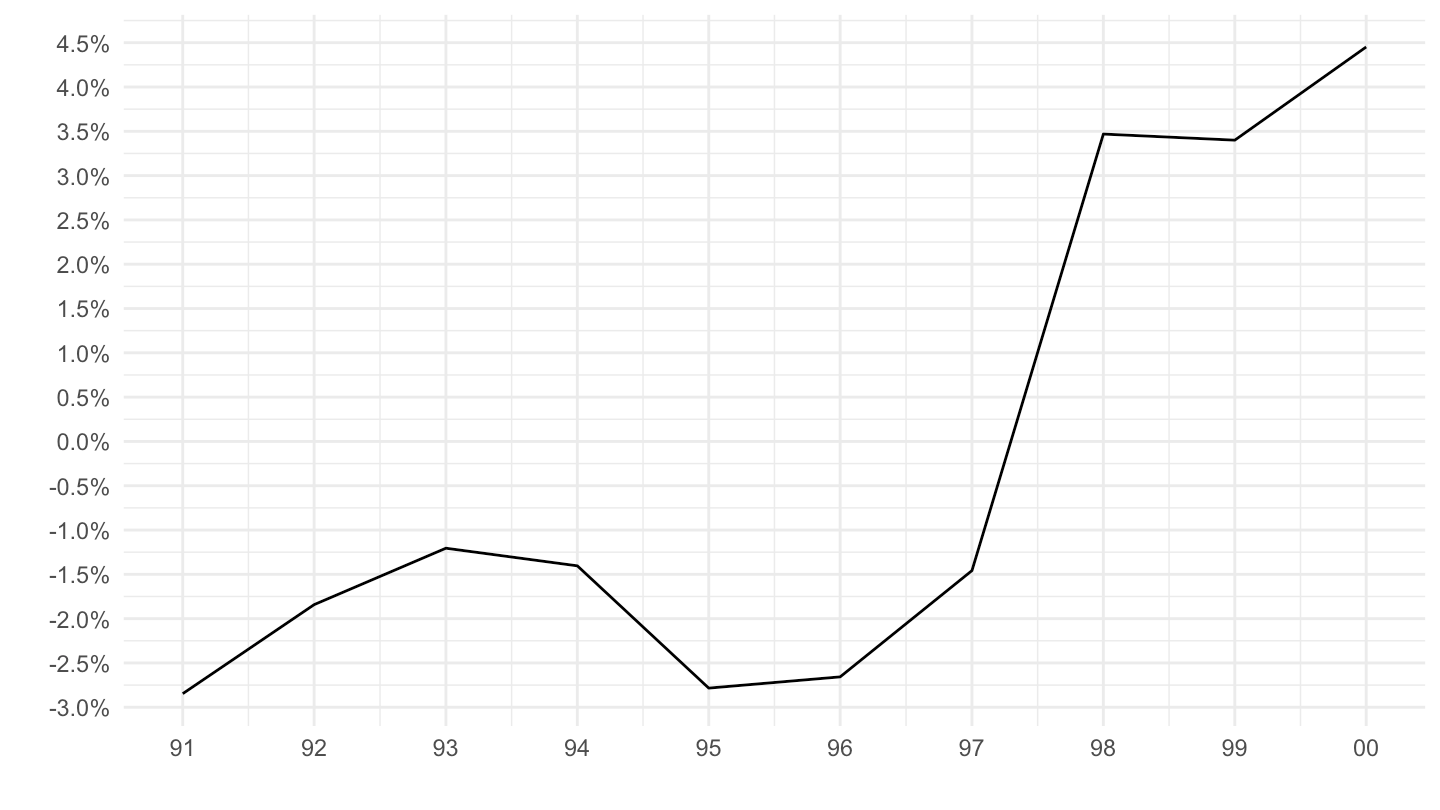
Figure B.10: Indonesia Current Account (around 1997)
B.6 Korea 1997
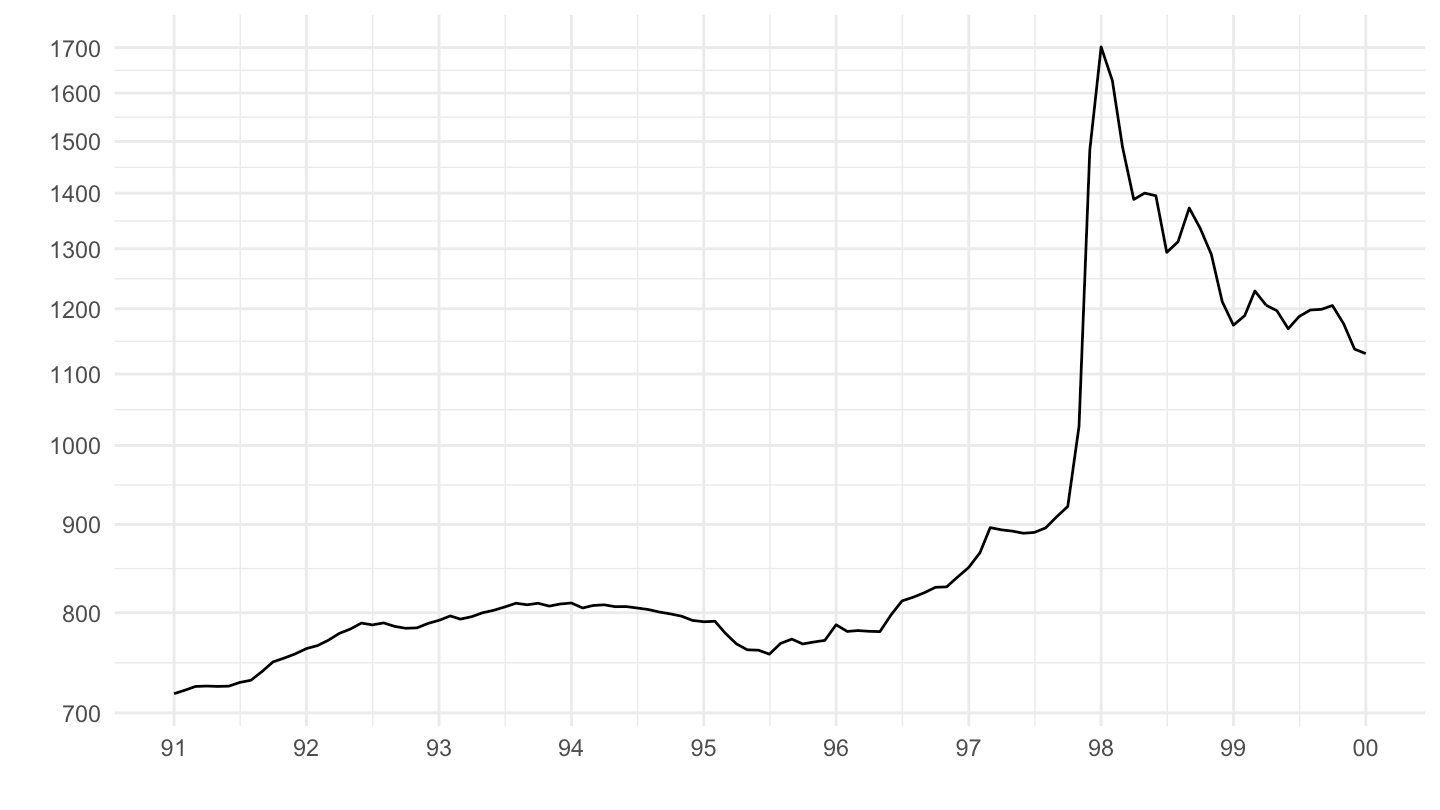
Figure B.11: Korea Exchange-Rate (around 1997)

Figure B.12: Korea Current Account (around 1997)
B.7 Malaysia 1997

Figure B.13: Malaysia Exchange-Rate (around 1997)
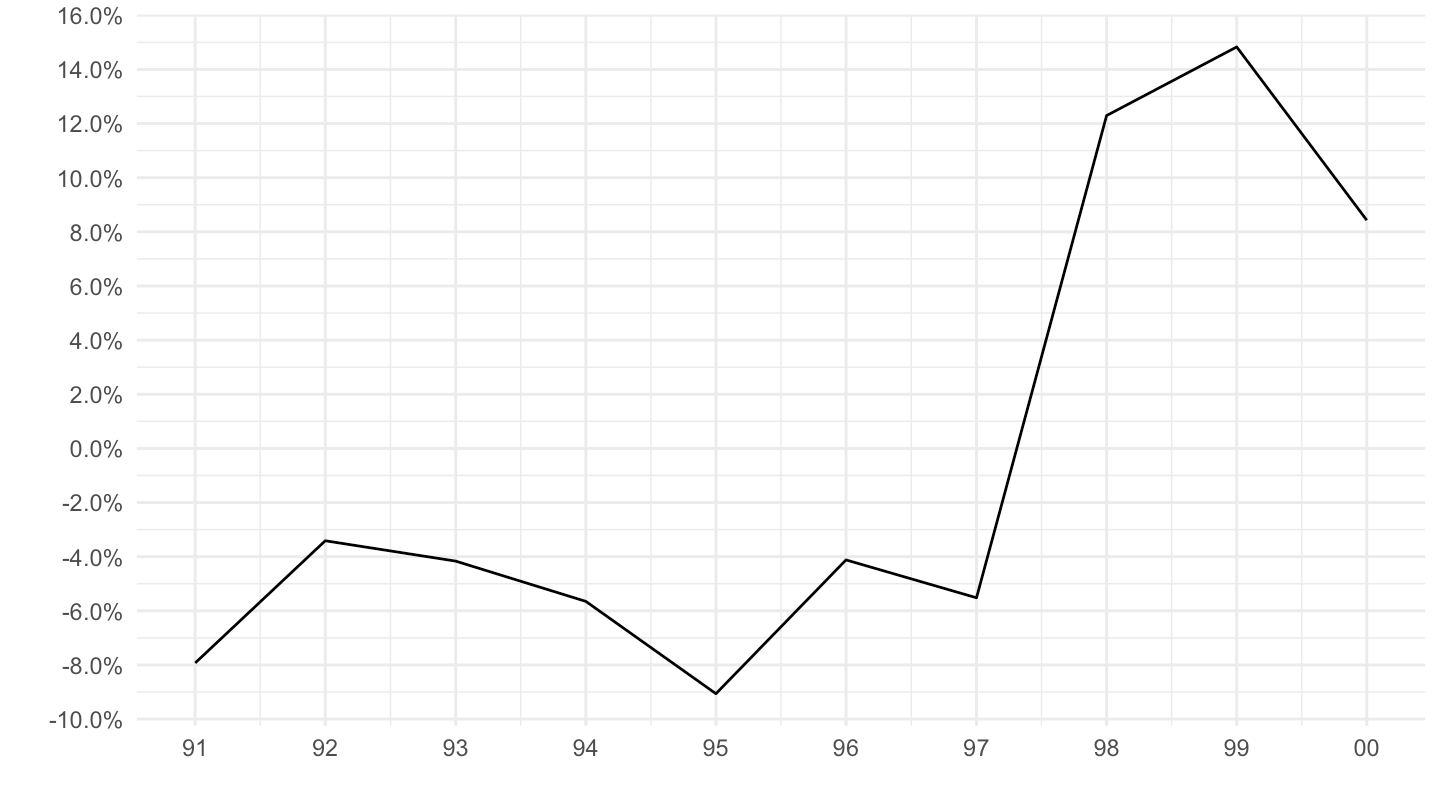
Figure B.14: Malaysia Current Account (around 1997)
B.8 Thailand 1997

Figure B.15: Thailand Exchange-Rate (around 1997)
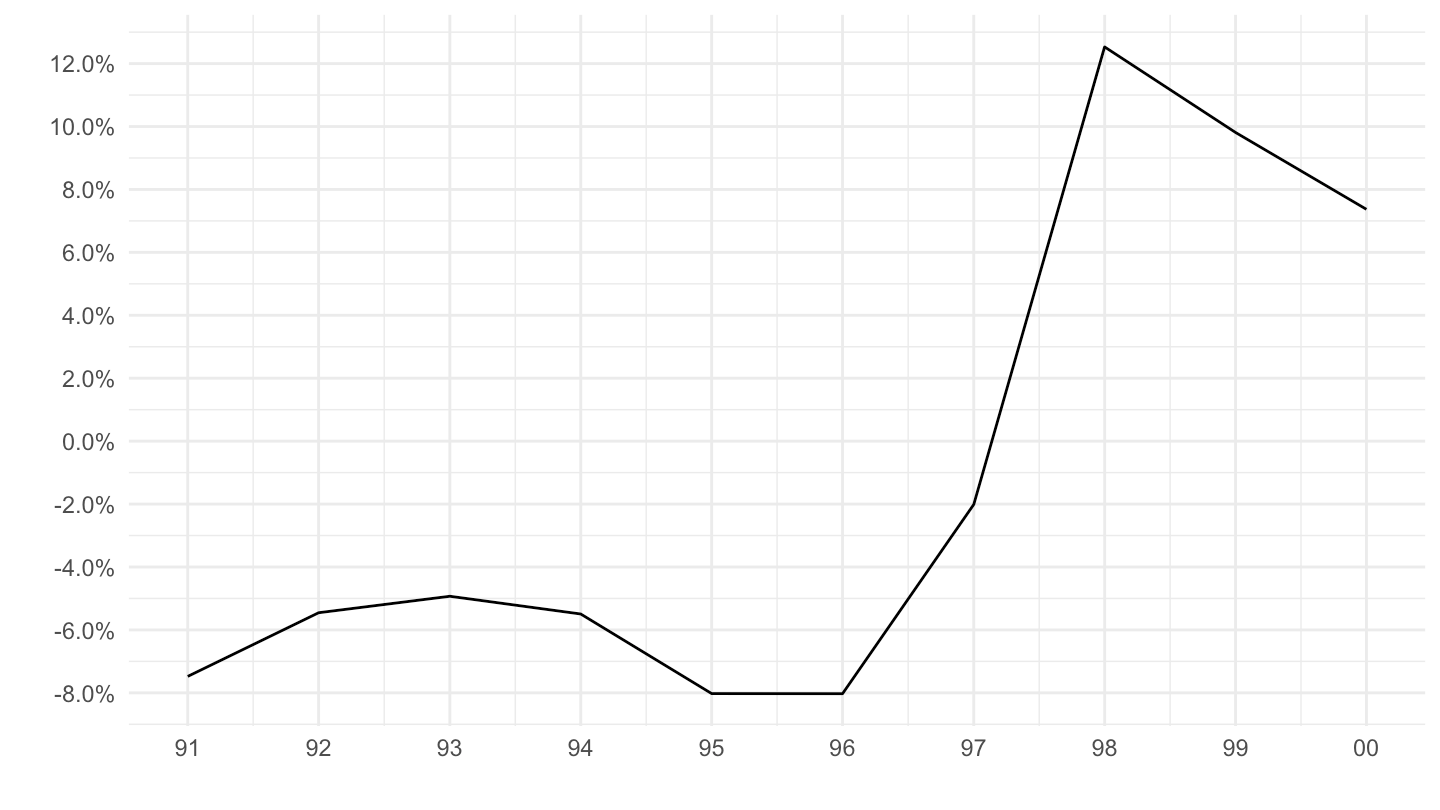
Figure B.16: Thailand Current Account (around 1997)
B.9 Turkey 2001
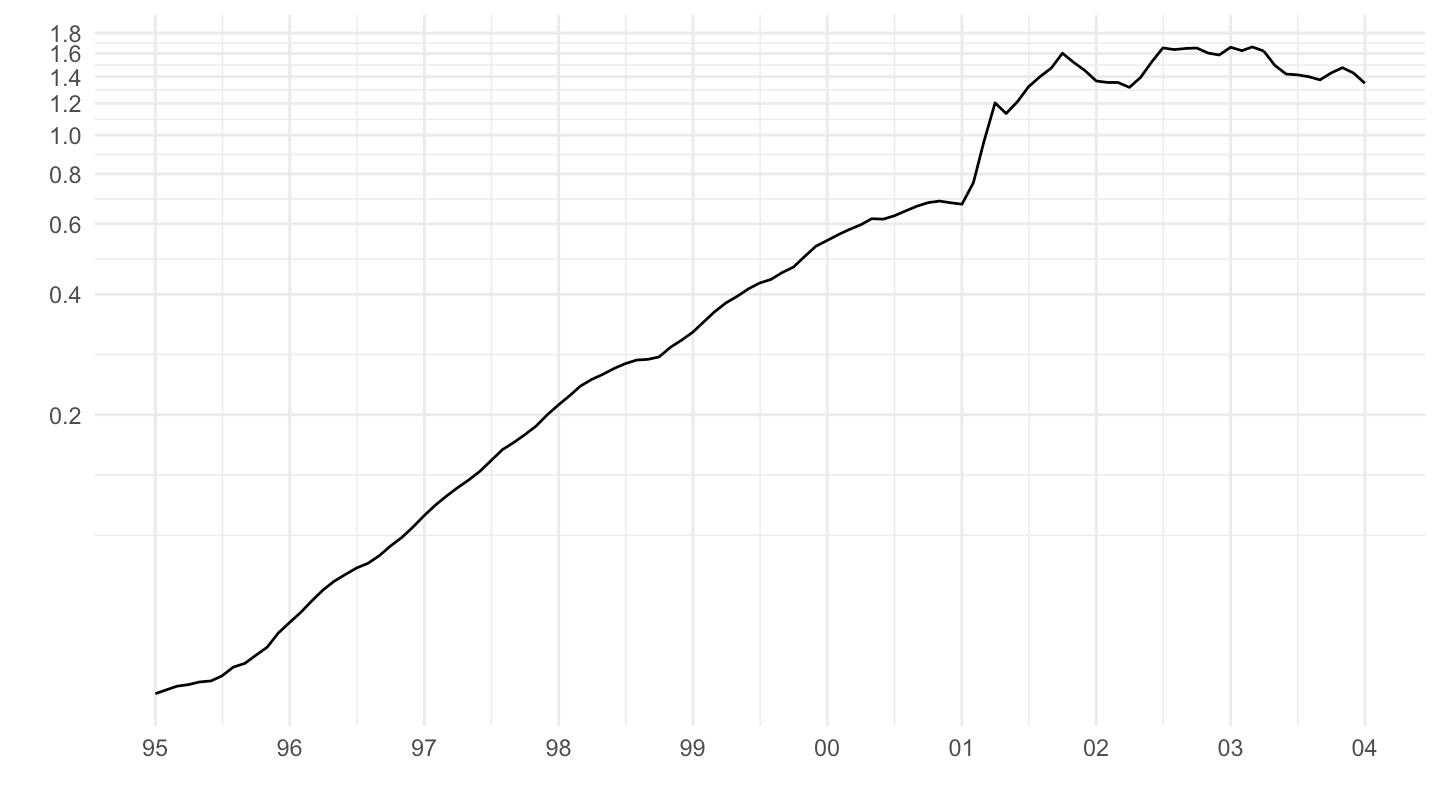
Figure B.17: Turkey (2001)
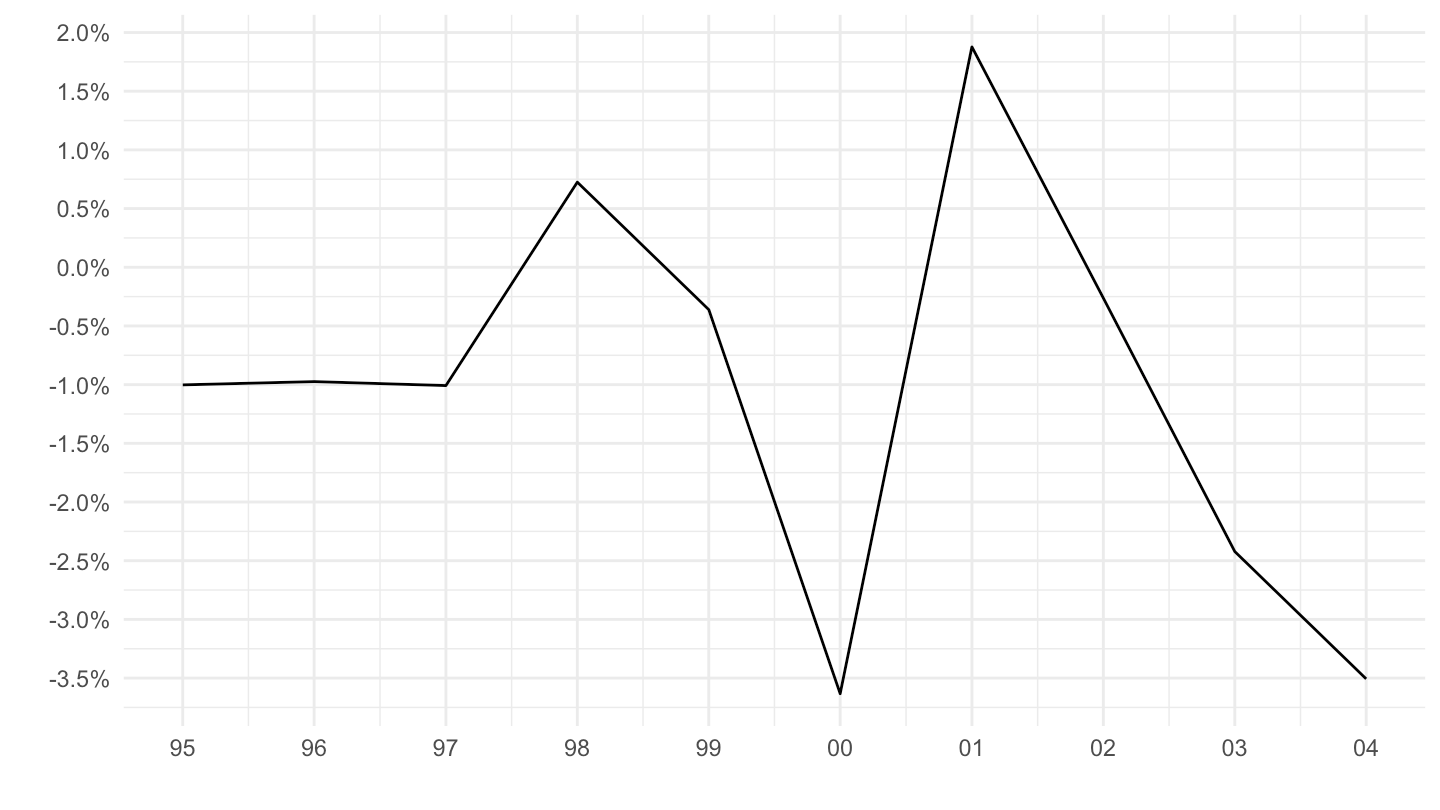
Figure B.18: Turkey (2001)
B.10 Argentina 2001
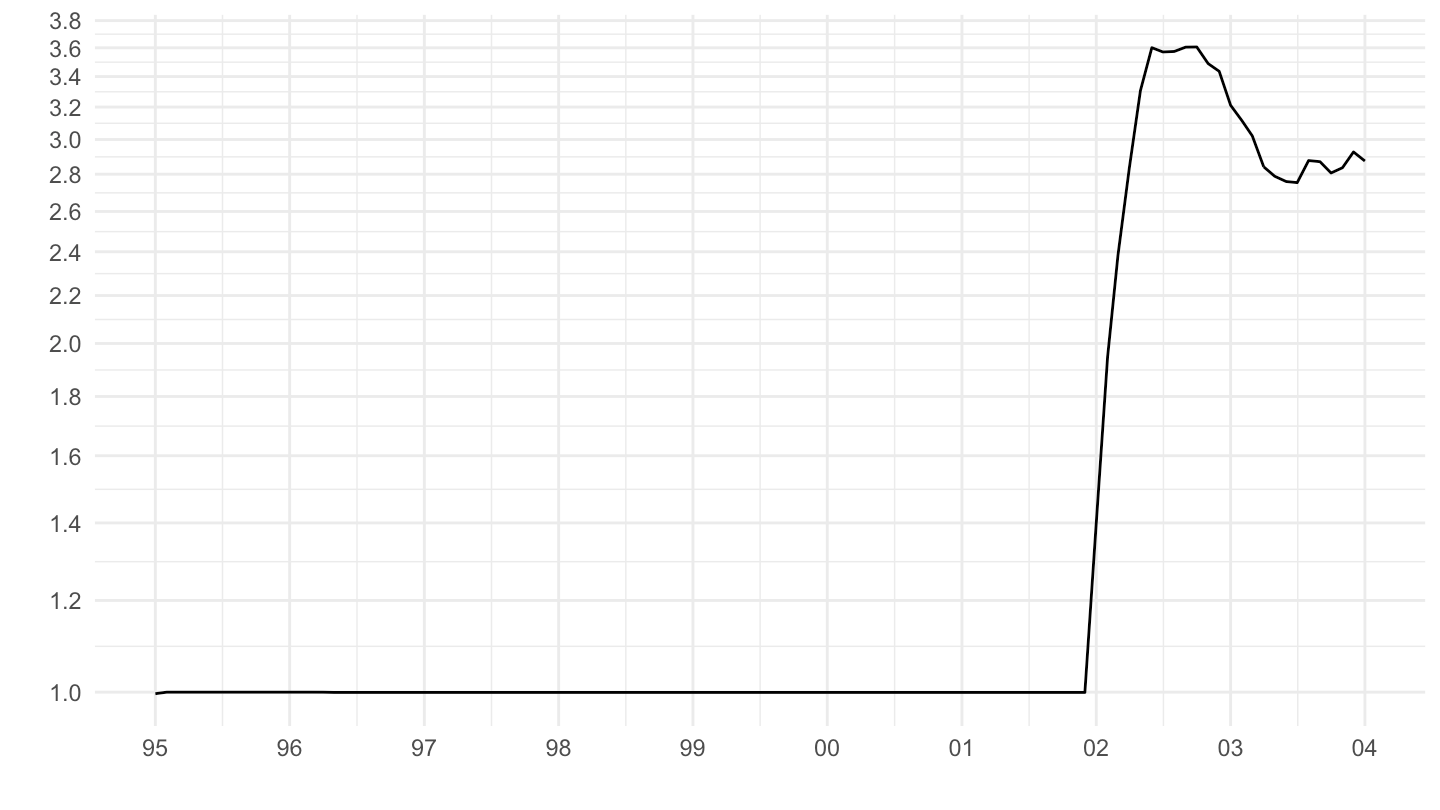
Figure B.19: Argentina (2001)
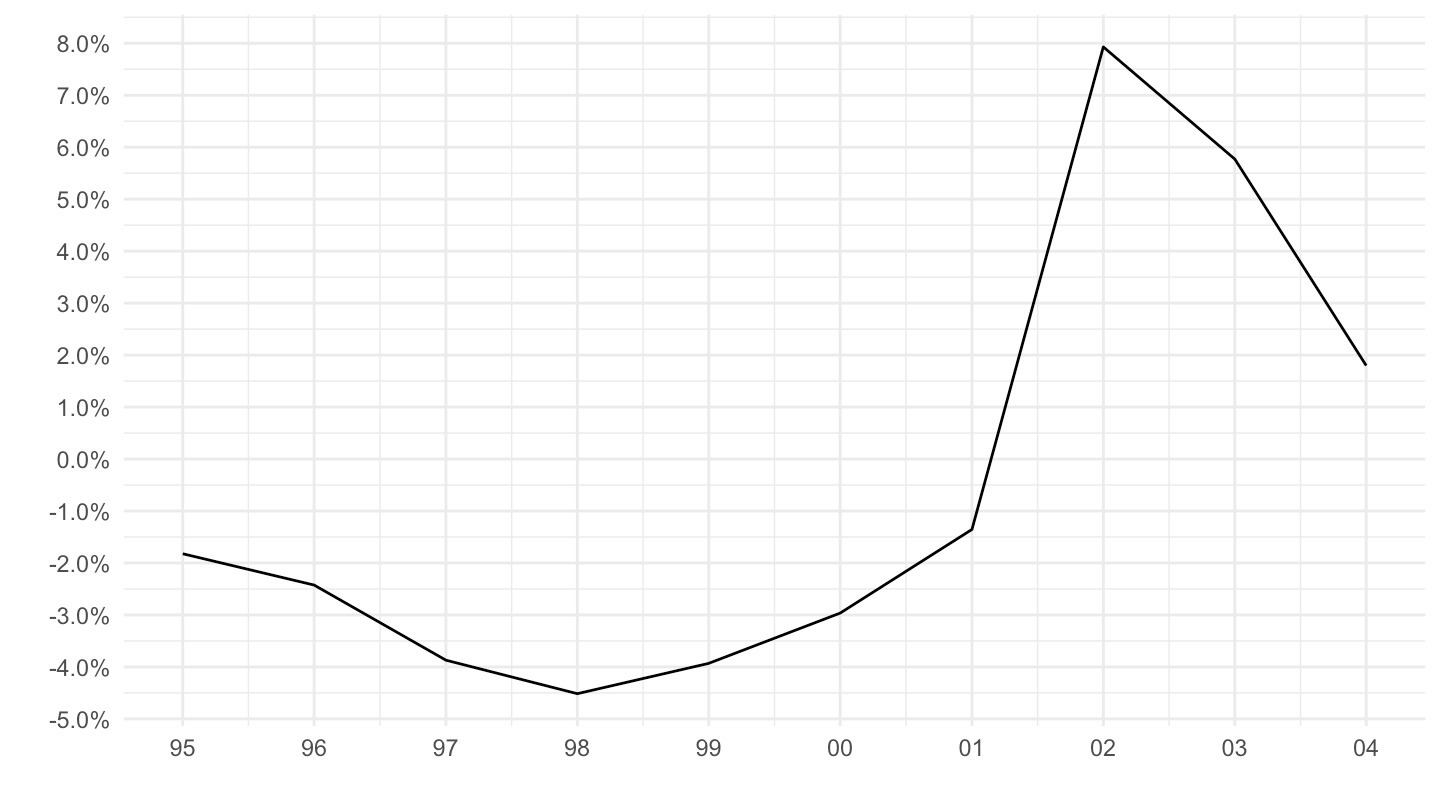
Figure B.20: Argentina (2001)
C Aggregate Phillips Curves
C.1 Correlations
C.1.1 Exchange Rate Regimes
| Coarse Class. | Detailed Classification |
|---|---|
| Fixed / Peg | No separate legal tender |
| Fixed / Peg | Pre announced peg or currency board arrangement |
| Fixed / Peg | Pre announced horizontal band that is narrower than or equal to +/-2% |
| Fixed / Peg | De facto peg |
| Crawling Peg | Pre announced crawling peg |
| Crawling Peg | Pre announced crawling band that is narrower than or equal to +/-2% |
| Crawling Peg | De factor crawling peg |
| Crawling Peg | De facto crawling band that is narrower than or equal to +/-2% |
| Crawling Band | Pre announced crawling band that is wider than or equal to +/-2% |
| Crawling Band | De facto crawling band that is narrower than or equal to +/-5% |
| Crawling Band | Moving band that is narrower than or equal to +/-2% ( |
| Crawling Band | Managed floating |
| Floating | Freely floating |
Contact: fgeerolf@econ.ucla.edu↩
I thank .↩